


By Abdullahi Jalalludeen
The Deputy Governor of Kano State, Comrade Aminu Abdussalam, has reaffirmed the state’s commitment to education and agricultural development while launching the Irrigation Suitability Mapping Tool Research Project at Aliko Dangote University of Science and Technology (ADUSTECH), Wudil.
Speaking at the event, the Deputy Governor highlighted Kano’s prioritization of education, noting that the state allocated 31% of its 2025 budget to the sector, the highest in the federation.
He also emphasized the state of emergency in education declared by the administration to ensure a focused and comprehensive approach to educational development.
“Aliko Dangote University of Science and Technology is one of the beneficiaries of our education agenda. We have approved a development plan for the university, earmarked significant funds to settle outstanding liabilities, and prioritised the completion of abandoned projects,”
The Deputy Governor traced the institution’s origins to the administration of former Governor Dr. Rabiu Musa Kwankwaso, which saw the establishment of two state-owned universities to equip Kano’s youth with 21st-century skills in science and technology.
He commended the university’s management under Vice-Chancellor Prof. Musa Tukur Yakasai, noting its success in attracting donor agencies for research collaborations in agriculture, ICT, and other technological fields.
He welcomed the partnership between ADUSTECH and the International Food Policy Research Institute (IFPRI), supported by the Bill and Melinda Gates Foundation, particularly on the Irrigation Suitability Mapping Tool Project.
He also referenced an earlier collaboration on Climate Change, Gender, and Nutrition Integration (GCAN) and announced that Kano State has now signed its Climate Change Policy into law, fully integrating gender and nutrition considerations.
Acknowledging agriculture as Kano’s economic backbone, the Deputy Governor noted the state’s leadership in irrigation farming, boasting the largest irrigation fields, dams, and schemes in the country.
He described the Irrigation Suitability Mapping Tool as a critical innovation that will help the government, financial institutions, and input suppliers make informed investment decisions.
“While this tool does not replace traditional agricultural extension services, it will significantly enhance farmers’ access to valuable business information and decision-making support,” he stated.
He assured the audience of the government’s commitment to the project’s success, urging donor agencies to support future phases for the benefit of Kano’s farmers.
He expressed gratitude to the Bill and Melinda Gates Foundation, IFPRI, and ADUSTECH for their support in strengthening irrigation farming in Kano State.
In his opening remarks, ADUSTECH Vice-Chancellor, Prof. Musa Tukur Yakasai, welcomed guests and emphasized the university’s dedication to scientific research and technological advancement. He recounted the institution’s evolution from its founding in 2001 as Kano University of Science and Technology (KUST) to its renaming in honor of Alhaji Aliko Dangote, reflecting its strengthened commitment to innovation and development.
Prof. Yakasai highlighted the university’s accreditation of 41 out of 45 academic programs, its 57 postgraduate research programs, and its extensive network of national and international collaborations.
“The Irrigation Suitability Mapping Tool Research Project is a testament to our mission of solving real-world challenges through innovative research. “
“This initiative will directly benefit communities by enhancing agricultural productivity and sustainability,” he said.
He expressed gratitude to researchers, partners, and stakeholders involved in the project, emphasizing their collective role in advancing the university’s vision.
The Deputy Governor formally launched the Irrigation Suitability Mapping Tool Project, expressing hope that it will benefit the government, financial institutions, input suppliers, and irrigation farmers in Kano State and beyond.
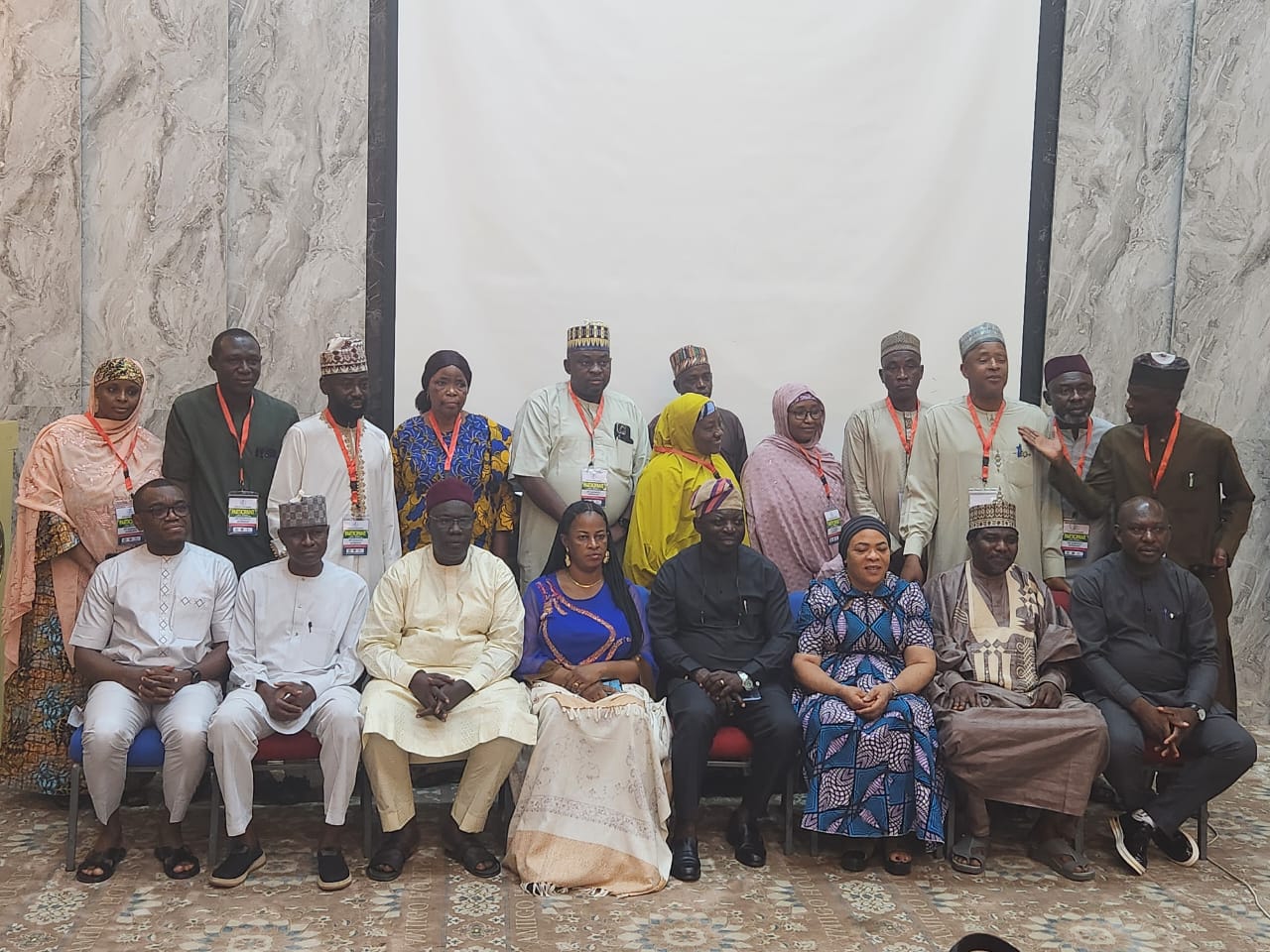
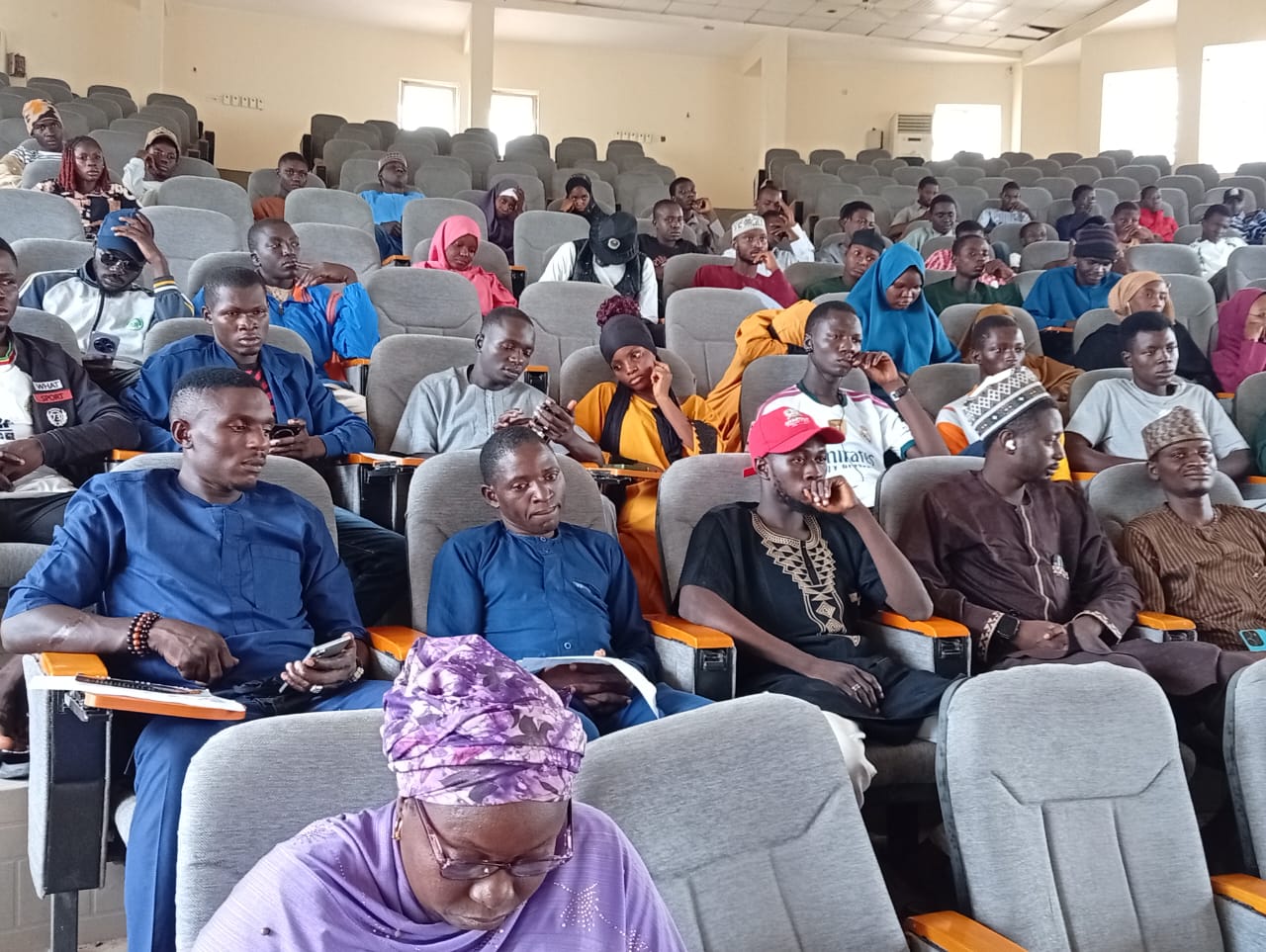
The event, attended by government officials, researchers, donor representatives, and key stakeholders, marks a significant step in Kano’s efforts to integrate science, technology, and agriculture for sustainable development.








Leave a Reply