


By Jamilu Abubakar
The United Nations Children’s Fund (UNICEF) and the National Emergency Management Agency (NEMA) have called for stronger coordination among government agencies and stakeholders in responding to humanitarian emergencies.
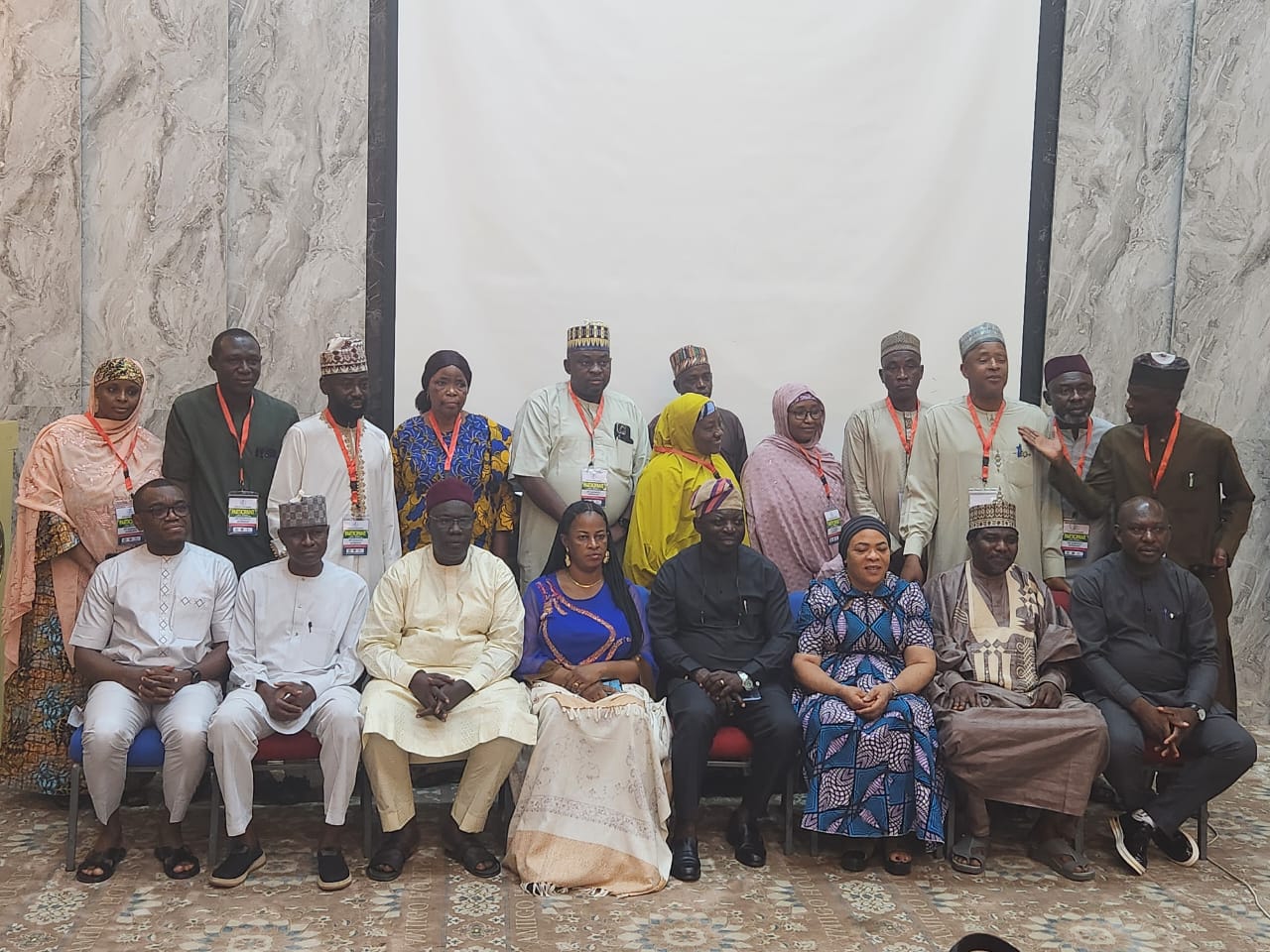
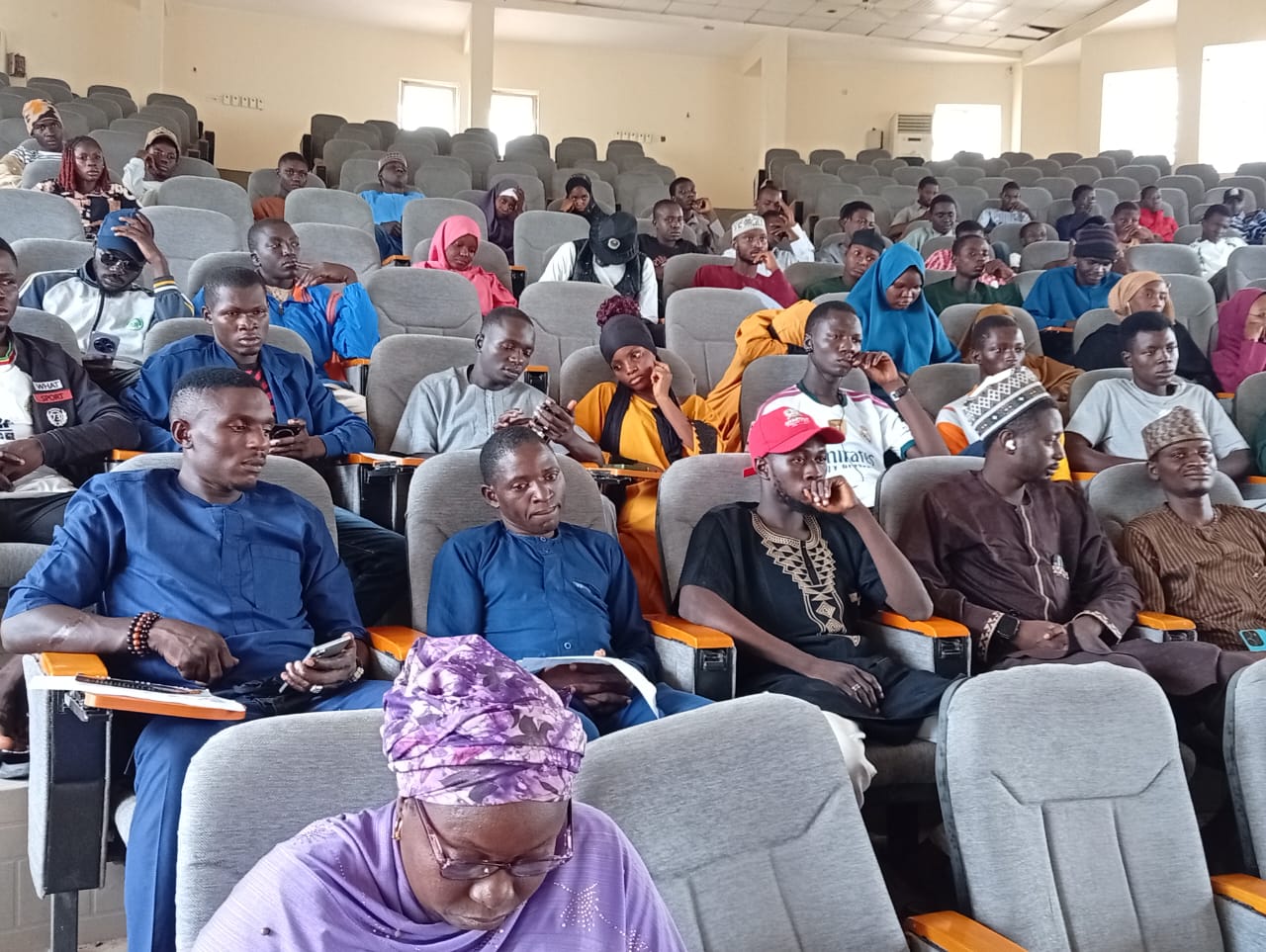
The call was made during a three-day state-level training on Community Engagement for Social and Behaviour Change in Humanitarian Action and Sudden-Onset Emergency Response in Gombe.
The training brings together emergency preparedness and response actors from seven states which include Adamawa, Bauchi, Borno, Gombe, Plateau, Taraba and Yobe.
The participants are being trained on the Community Engagement for Social and Behaviour Change in Humanitarian Action Toolkit, CHAT.
The toolkit promotes effective community engagement, risk communication, accountability to affected populations and coordinated emergency response.
UNICEF Nigeria Deputy Representative, Dr Rownak Khan, said humanitarian response should not be left to a single government agency.
She said emergencies require different sectors to work together to address the needs of affected communities.
According to her, floods and other emergencies can create simultaneous needs for shelter, food, education, water, sanitation and other essential services.
Dr Khan urged state governments, governors and commissioners to take leadership in coordinating humanitarian interventions.
UNICEF Social and Behaviour Change Officer for Emergencies, Margaret Adaba Soyemi, said stronger coordination would help prevent duplication of interventions and promote collective action.
She said the approach was particularly important because Nigeria continues to face floods, disease outbreaks, displacement and other emergencies.
The National Orientation Agency’s Director of Community Outreach and Development, Adeline Patari, said the agency’s grassroots structures could help ensure that emergency information reaches communities.
She said NOA works with NEMA and State Emergency Management Agencies at state and local government levels to support community mobilisation and risk communication.
NEMA Assistant Chief Planning Officer, Abubakar Haruna, also stressed the importance of collaboration, saying disaster management was a collective responsibility.
The Executive Secretary of the Gombe State Emergency Management Agency, Haruna Abdullahi, urged participants to share the knowledge acquired with relevant stakeholders in their states.
The training is expected to strengthen a coordinated, community-centred approach to emergency preparedness and response across the participating states.





Leave a Reply