

By Abdullahi Jalalludeen
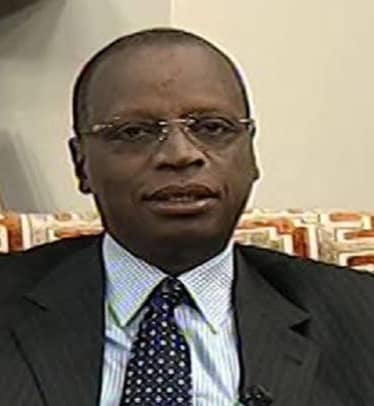
Former Minister of Finance and National Planning, Dr. Shamsuddeen Usman, has described principal-agent problem as the the root cause of Nigeria’s stalled progress .
Dr Shamsuddeen Usman disclosed this during a review of a book he Authored,titled Public Policy And Agent Interest , Held at Dangote School of Business,Bayero University Kano.
Dr. Usman described the book review as a homecoming, reflecting on his roots in Kano and his lifelong commitment to the well-being of the Nigerian people.
The book, he explained, is an honest attempt to answer the question of why Nigeria, despite its vast human talent and natural resources, continues to fall short of its immense potential.
He said the root cause of Nigeria’s stalled progress was principal-agent problem,”This problem occurs when agents (those in government) forget who they work for (the principals, or the people) and begin to serve their own interests instead. “
Dr. Usman emphasized that the consequences of the principal-agent problem are felt every day in Kano and across Nigeria.
” When leaders are consumed by political infighting, it leads to administrative paralysis, causing ordinary citizens to suffer. He cited the alarming statistics of over 20 million children out of school in Nigeria and the lack of basic infrastructure in urban settlements”
The Former Minister proposes a four-step solution to fix the broken promise which includes Demand Data and Transparency, Challenge Vested Interests, Insist on a New Social Contract and Fully Engagement to Make a Different.
Dr Shamsuddeen Usman added that to contribute towards addressing these challenges his children have established the Shamsuddeen Usman Foundation, focusing on health, education, and information technology to support the next generation of leaders in Kano and beyond.
The Reviewer of the Book Professor Badayi Sani lauded the foresight of Dr Shamsuddeen Usman for publishing the saying it would go along way in shaping future leaders to the right track.
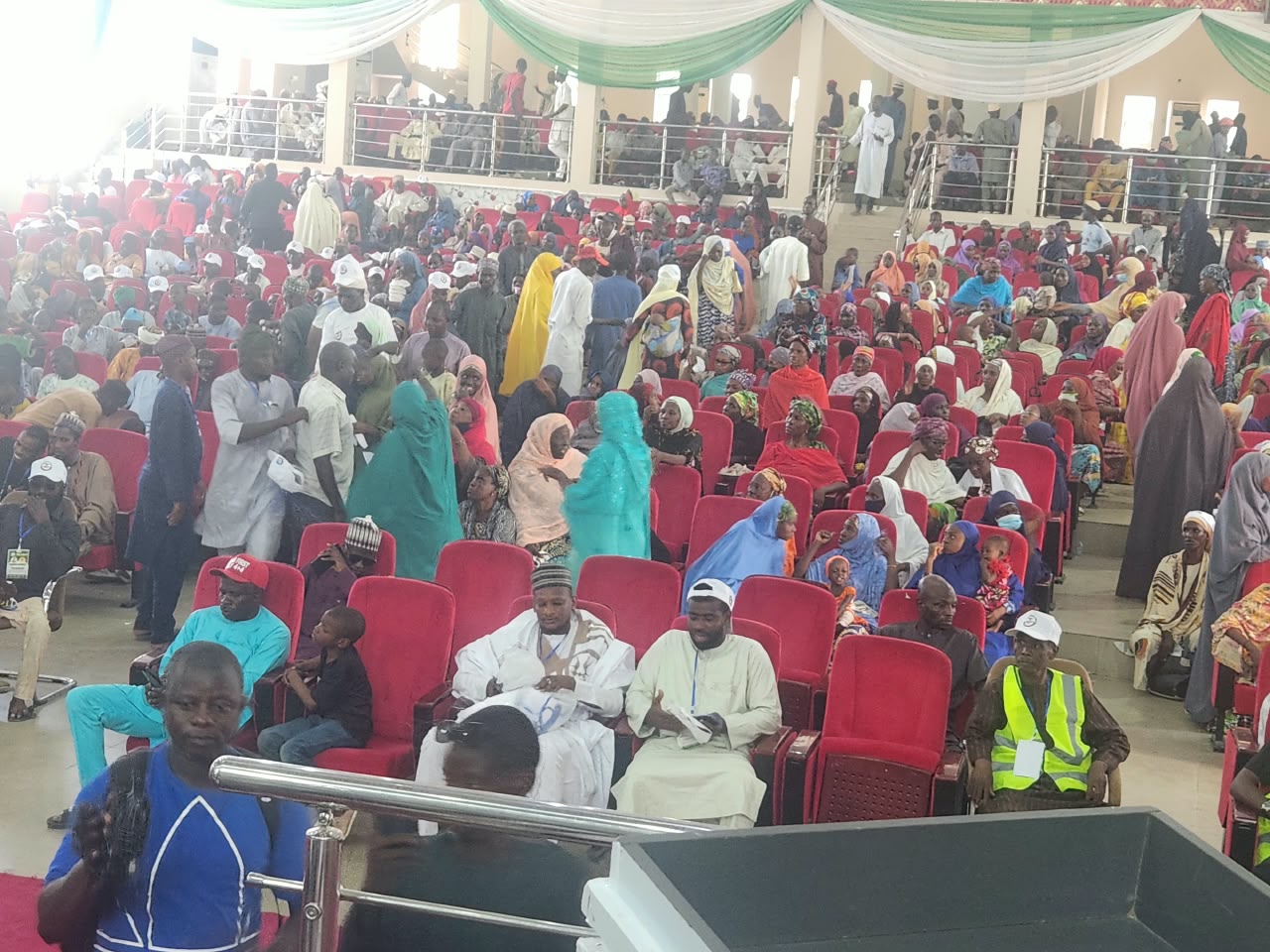
The event was attended by top dignitaries, including representatives of Governor Abba Kabir Yusuf, Emir Muhammadu Sanusi II, and other esteemed leaders from traditional institutions, academia, and government.










Leave a Reply