


By Abdullahi Gambo in Maiduguri
Food and Agricultural Organization (FAO) of the United Nations organizes Capacity building for Community Interest Group (CIGs) on Land Restoration Techniques and Sustainability as part of their efforts for revamping degraded lands across 19 Northern States including Federal Capital Territory.
The training is in accordance with interactions and engagements with the CIGs by FAO team during their visit to various Communities where FAO’s restoration of degraded lands project is going on.
Community Interest Group (CIGs) are group of people saddled with the responsibility of taking care of the planted seedlings to the tree level at the three (3) local government areas of Bama, Mafa and Jere under the Supervision of Global Environmental Response Initiative (GERI), a Focal NGO to ACReSAL Borno.
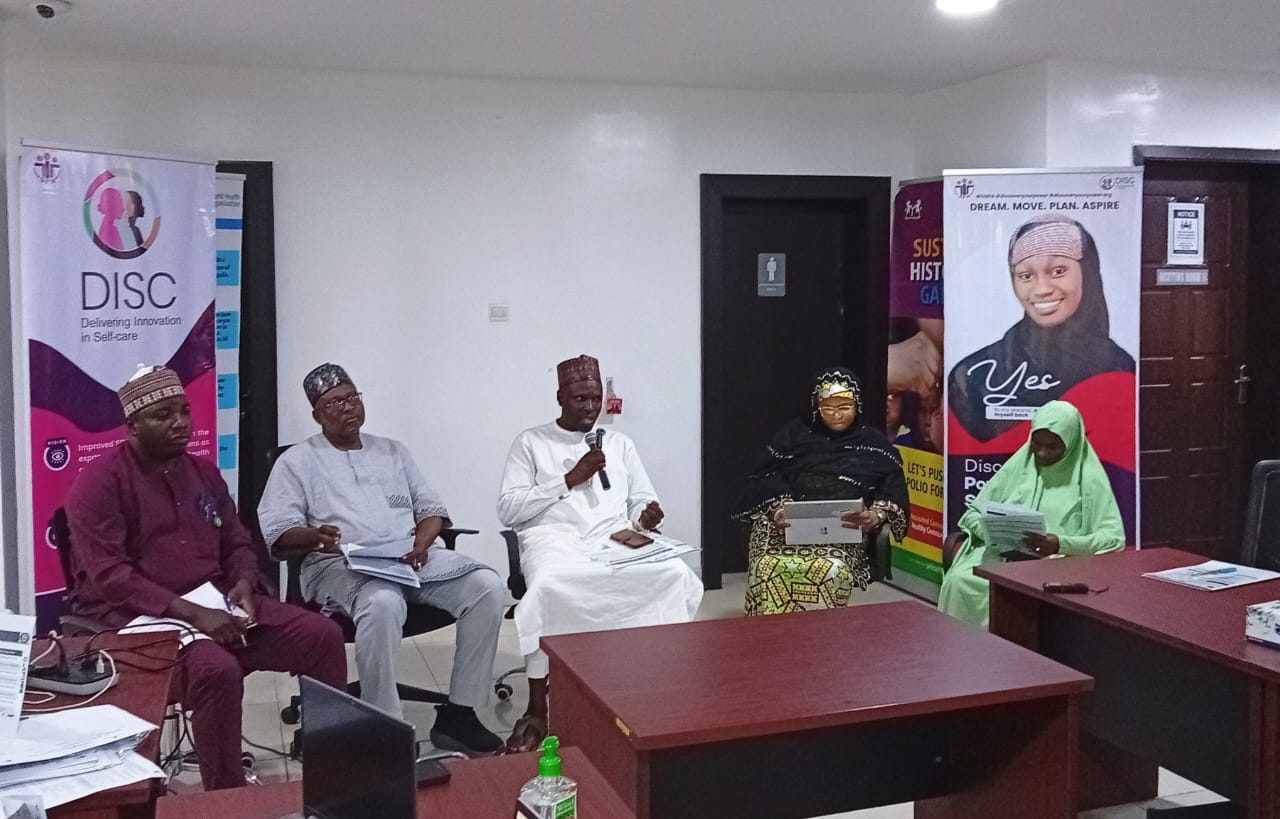
Acting Project Coordinator ACReSAL Borno, Engr Bukar Modu Goba had in the opening remark of the Capacity building at Amada hotel annex, Damboa road Maiduguri said the training is to acquant the CIGs with improved modern techniques on the restoration of degraded lands and urged them to fully utilised the session.
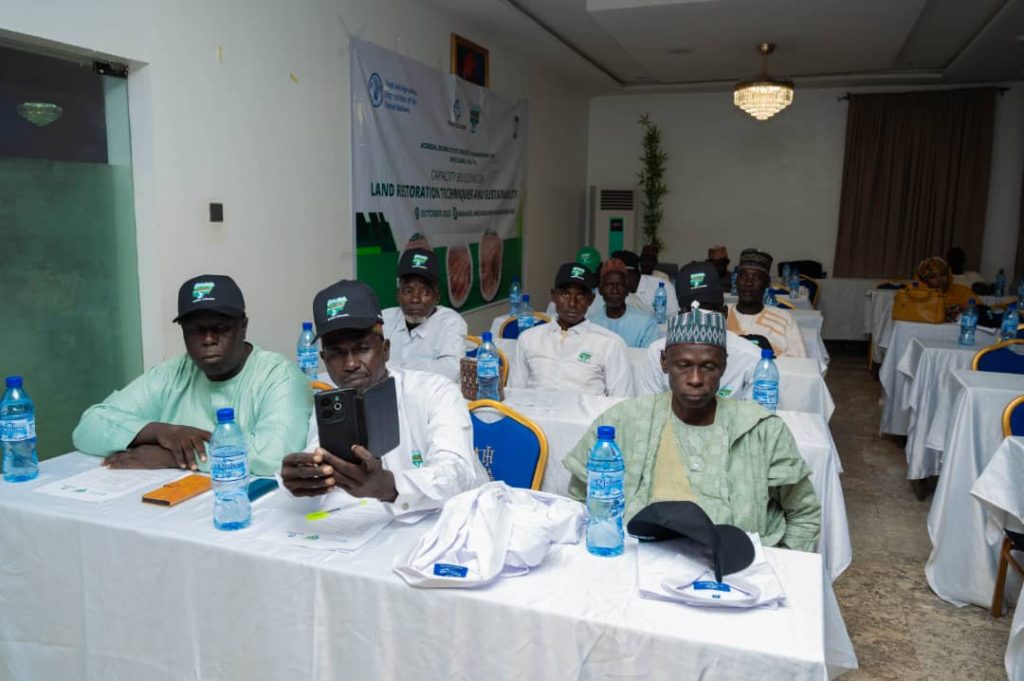
The Executive Director Global Environmental Response Initiative (GERI), Focal NGO Borno ACReSAL, Alhaji Ngare Dogo explained that CIGs were trained group on ACReSAL projects who maintained the project sites throughout the project period.
Natural Resources and Environmental Specialist to FAO, Dr Yakaka Bukar Maina had in the training session emphasized on the social inclusion and environmental safeguard in restoration projects to identify potential risks and mitigation measures by CIGs as well as to gain knowledge on sustainable practices for Community ownership of the projects.
Dr Yakaka Bukar Maina urged the Participants to also impart the knowledge gained in the Capacity building to other CIGs who were not part of the training and other Persons in their various Communities by emphasizing its benefits to all and sundry.
Gender and GBV Expert Advisor to ACReSAL National Office, Mrs Helen John, advised the Participants to adhere to all practical knowledge gain in the training as it is one of the only training they might encounter considering the Calibre of resource Persons involved in the Capacity building.
Participants were provided with direct seeding method suitable for drylands and degraded ecosystem, including participatory resources mapping method from both FAO and ACReSAL facilitators.
The potentials of all the planted trees and its opportunities for small scale enterprises development and Sustainable value chain are accorded for the participants at the training.
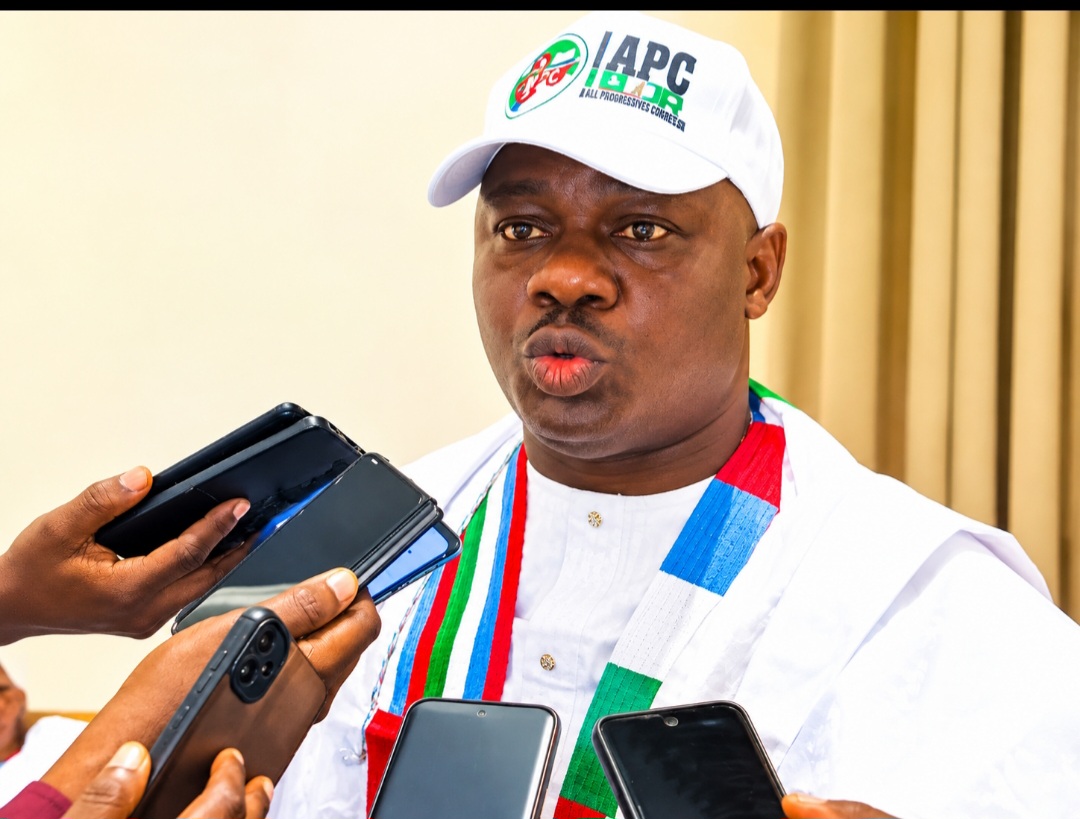
Two of the Participants Abba Adam and Maryam Ibrahim had while speaking with Newsmen during the Capacity building thanked FAO and all the stakeholders involved in the project for the privilege bestowed upon them and assured to utilised the knowledge gained for the restoration of degraded lands at their various Communities.





Leave a Reply