

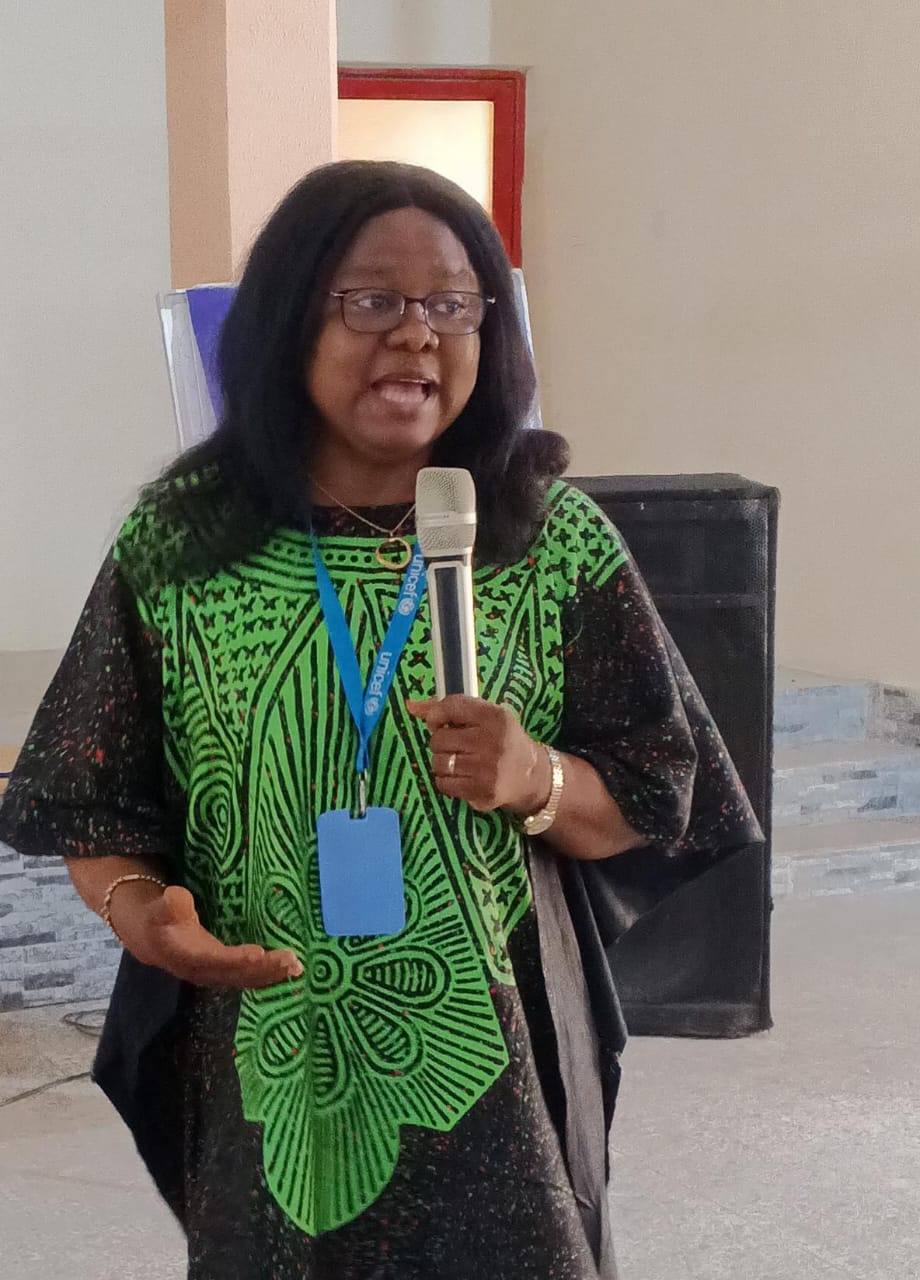
By Aisha Mohammed
Climate change-induced conditions such as droughts, floods and extreme weather events continue to threaten access to safe water, sanitation and hygiene services, exposing millions of people, particularly children to preventable diseases.
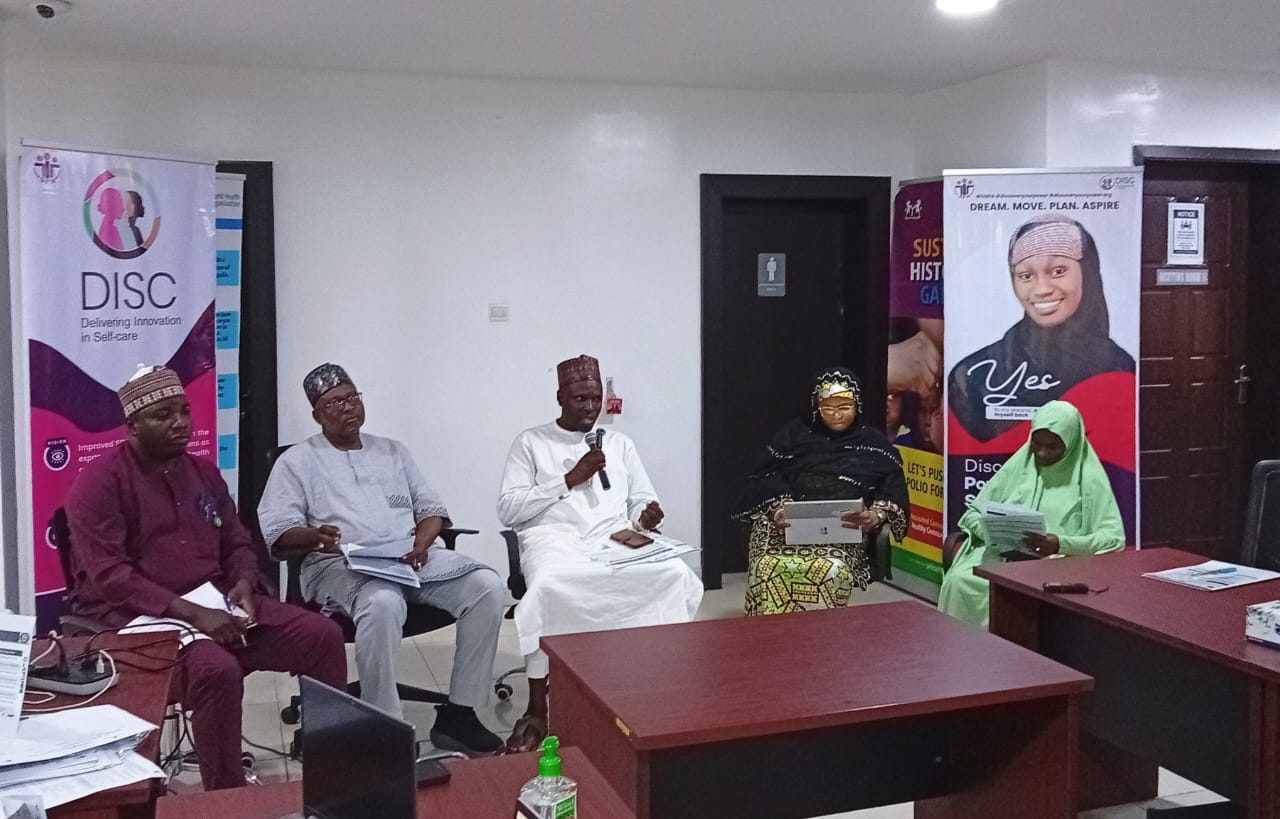
To address these challenges, stakeholders in the Adamawa State Rural Water Supply and Sanitation Agency, RUWASSA, UNICEF and the Government of the Netherlands organized a Joint Sector Review Workshop aimed at bridging gaps in Water, Sanitation and Hygiene, WASH, services across priority sectors including education, health and water resources.
In Adamawa State, hundreds of children under the age of five, particularly those in rural communities, urban settlements and climate-affected areas, remain vulnerable to diarrhoeal diseases linked to inadequate water, sanitation and hygiene services in homes, schools and healthcare facilities.
It was against this backdrop that stakeholders gathered at the Joint Sector Review Workshop to review progress and identify strategies for improving WASH services across the state.
General Manager, RUWASSA, Esly Emmanuel said despite efforts by the Adamawa State Government to improve water supply and sanitation services, strengthening collaboration among relevant Ministries, Departments and Agencies, MDAs remains crucial to achieving sustainable results.
Emmanuel noted that strategic partnership with the media and other development partners would help increase public awareness and encourage residents, particularly those at the grassroots, to adopt safe water and hygiene practices.
UNICEF WASH Specialist, Bauchi Field Office, Stella Okafor-Terver, described WASH component as a critical enabler for development, stressing that access to clean water, sanitation and hygiene services is essential for health, education and overall well-being.
She explained that UNICEF’s support to Adamawa State focuses on strengthening WASH systems within key MDAs to improve service delivery and long-term sustainability.
Okafor-Terver, however, expressed concern over the absence of some key decision-makers at the workshop, noting that implementation of recommendations would require the commitment and approval of top government officials.
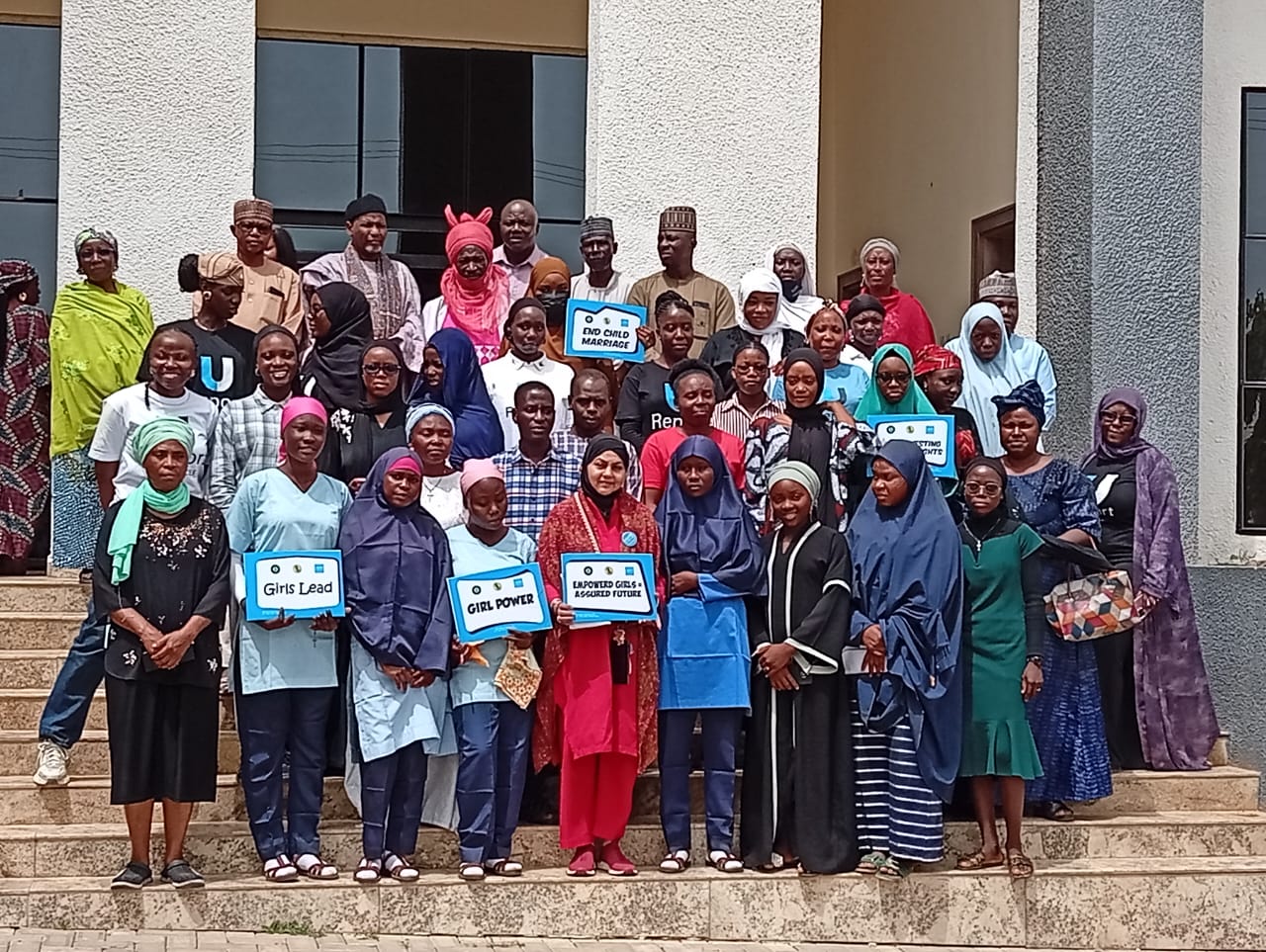
Participants at the Joint Sector Review Workshop were drawn from fourteen Ministries, Departments and Agencies connected to the WASH sector, including Education, Water Resources, Small Town, Planning Commission, Environment and Natural Resources, among others.





Leave a Reply