

By Abdullahi Jalalludeen
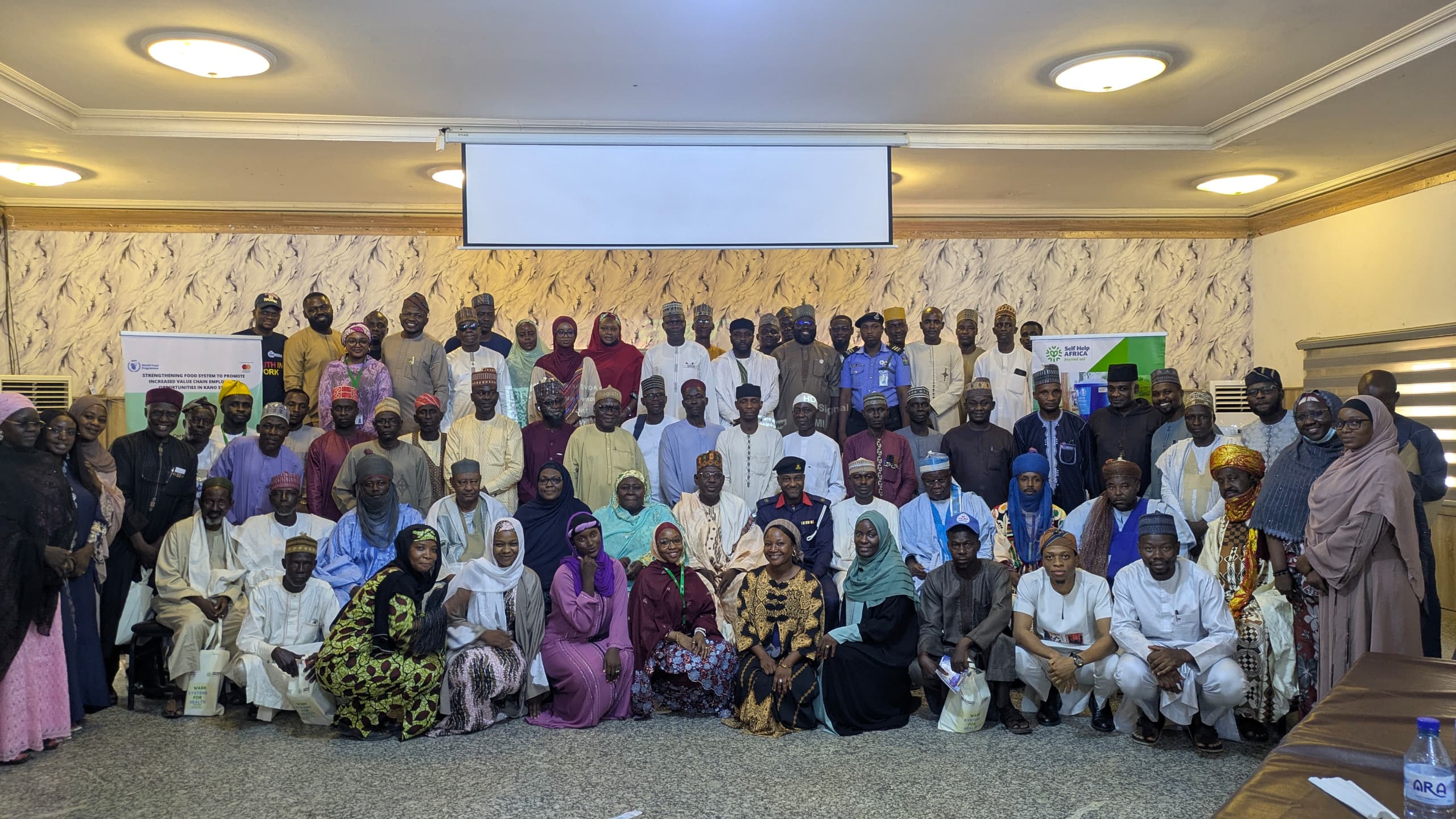
Self Help Africa (SHA) has convened a multi-stakeholder engagement meeting in Kano aimed at strengthening the state’s food system, expanding agricultural value chains and creating sustainable employment opportunities through integrated agricultural and Water, Sanitation and Hygiene (WS4H) interventions.
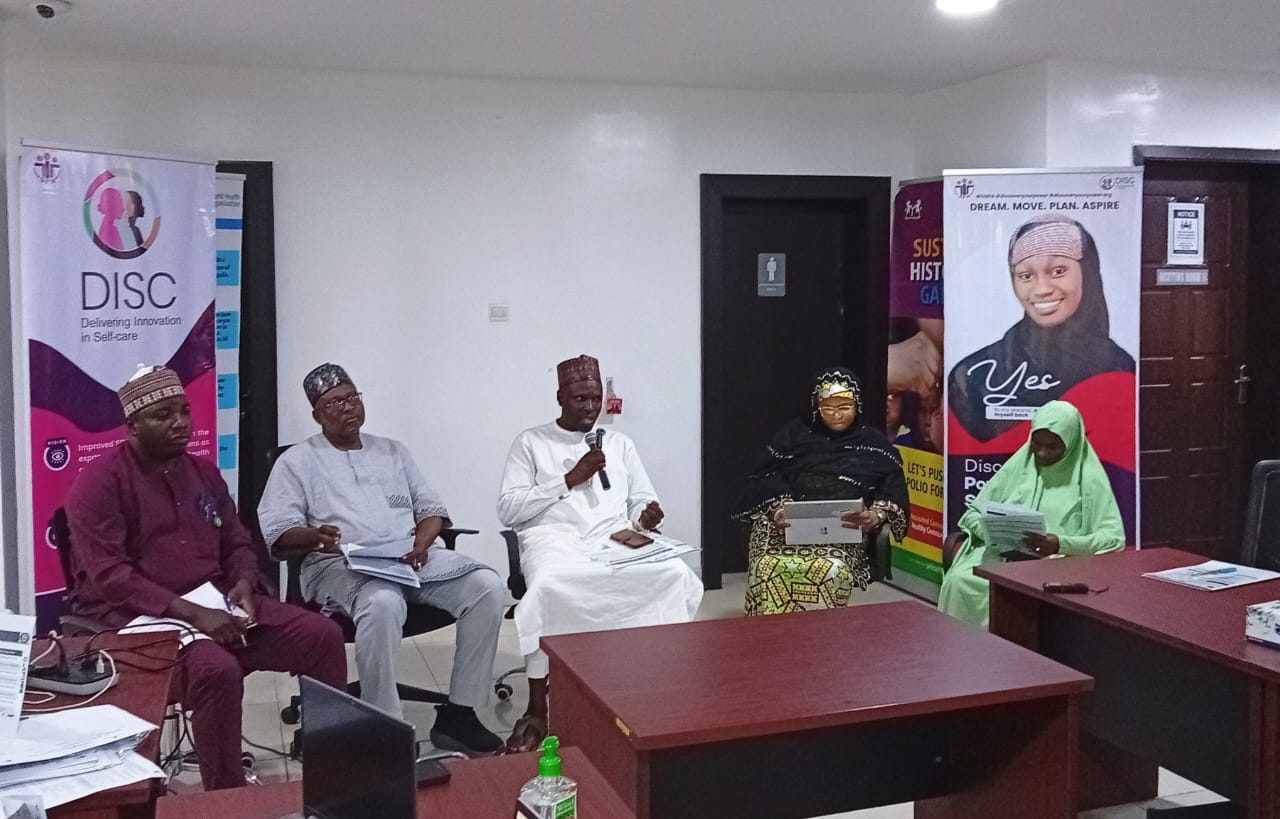
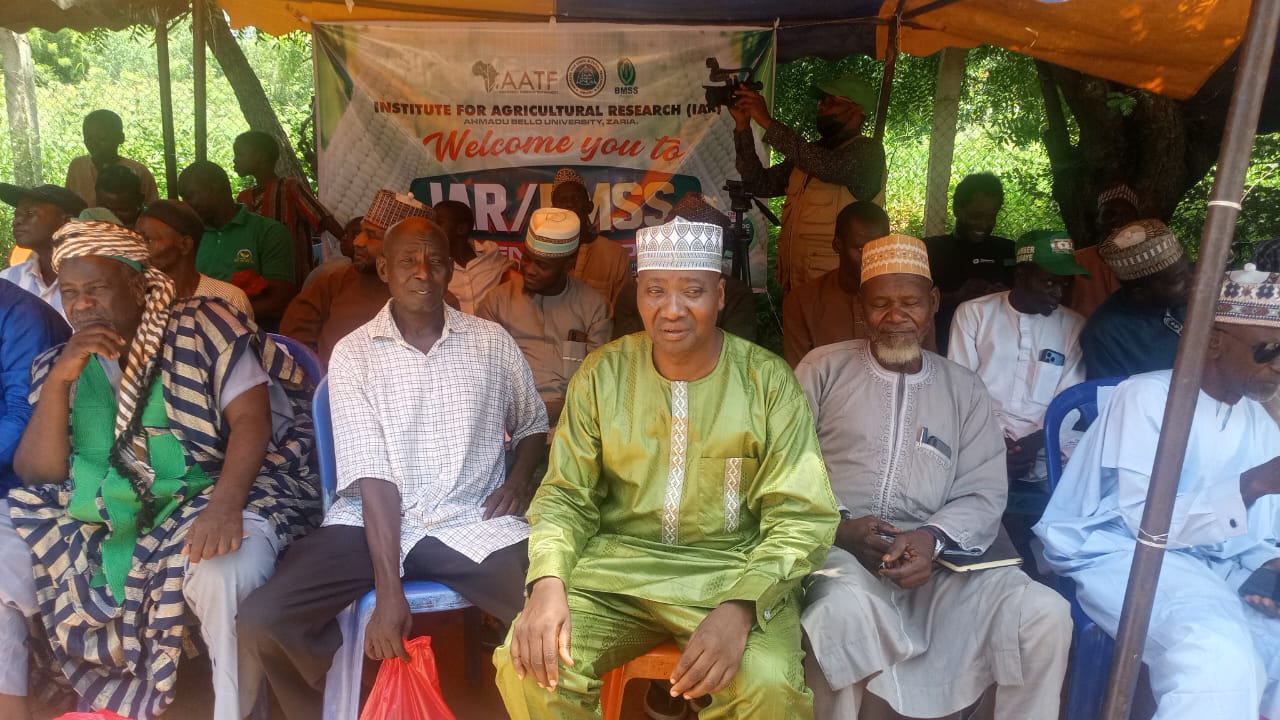
The meeting, held on Wednesday at Tahir Guest Palace, brought together officials of the Kano State Government, development partners, private sector players, community representatives and civil society organisations to review the implementation of ongoing intervention programmes, assess achievements and challenges, and develop practical strategies for improving food security and livelihoods across the state.
Speaking during the engagement, the Head of office of Self Help Africa, Hajara Mohammad, presented updates on key intervention projects being implemented in Kano.
The projects include the Optimizing the Benefits of Inline Chlorination in Nigeria (OPTIC) project, the Dispenser for Sustainable Rural Water in Nigeria (DiSURWIN) project, the Youth in Work (YiW) initiative and the WASH System for Health (WS4H4Health) programme.
Mohammad explained that the interventions were designed to improve access to safe drinking water and sanitation services, enhance agricultural productivity, strengthen food systems and equip young people with skills and opportunities for sustainable employment.
She noted that the organisation remained committed to working with government and development partners to ensure lasting impact in beneficiary communities.
Also speaking, the Kano State Programme Coordinator of WS4H4Health, Aminu Musa Idris, said the stakeholder engagement would significantly improve access to quality potable water and sanitation facilities across the state. According to him, bringing all relevant stakeholders together would enhance collaboration, strengthen coordination and accelerate the achievement of the programme’s objectives.
“The success of these interventions depends largely on the active participation and commitment of all stakeholders. Through stronger partnerships, we can improve public health, food security and economic opportunities for our people,” he said.
Participants at the meeting reviewed progress made under the various projects, highlighting achievements, implementation challenges, mitigation measures and sustainability plans.
They emphasized the need for stronger collaboration among government institutions, development agencies, private sector organisations and local communities to improve agricultural value chains, expand access to safe water and sanitation, and generate employment opportunities, particularly for women and youth.
The engagement also featured documentary presentations showcasing the impact of the WS4H and Youth in Work programmes in benefiting communities.
Participants took part in interactive question-and-answer sessions and discussions on safeguarding policies, reporting mechanisms and measures to protect vulnerable groups during project implementation.
In his remarks, the Desk Officer of the WS4H4Health Programme in the Kano State Ministry of Water Resources and Deputy Director, Mustapha Hussaini Hassan, stressed the importance of maintaining infrastructure provided under the interventions to guarantee their long-term sustainability.
He urged benefiting communities and relevant institutions to take ownership of the projects to ensure continuous service delivery.
Stakeholders unanimously reaffirmed their commitment to supporting initiatives aimed at strengthening food systems, promoting agricultural value chains, improving rural water supply and sanitation services, and creating sustainable employment opportunities across Kano State.
The meeting concluded with goodwill messages from participating organisations, closing remarks and a renewed commitment by all stakeholders to deepen collaboration in advancing inclusive, resilient and sustainable development in Kano State.






Leave a Reply