


By Aisha Mohammed
Country Director of OXFAM Nigeria, Daniel McCornmick, has emphasized the need to institutionalize gender-responsive governance that prioritizes the voices and needs of the most marginalized, particularly women, girls, and displaced persons.
He made the call in an interview with Radio Nigeria, Fombina News in Yola, Adamawa State, during the closeout of the Women’s Rights and Gender Equality, WoRGE Project.
According to McCornmick, the collective role of stakeholders in promoting women’s rights using conflict-sensitive and inclusive approaches played a key part in the success of the WoRGE Project.
He noted that the initiative was designed not only to address gender-based violence but also to promote the social and economic inclusion of returnees, internally displaced persons and vulnerable members of host communities.
McCormick commended the active involvement of partners such as CRUDAN and CEPAD, along with the support of local and state Government actors, which he said facilitated meaningful development at the grassroots.
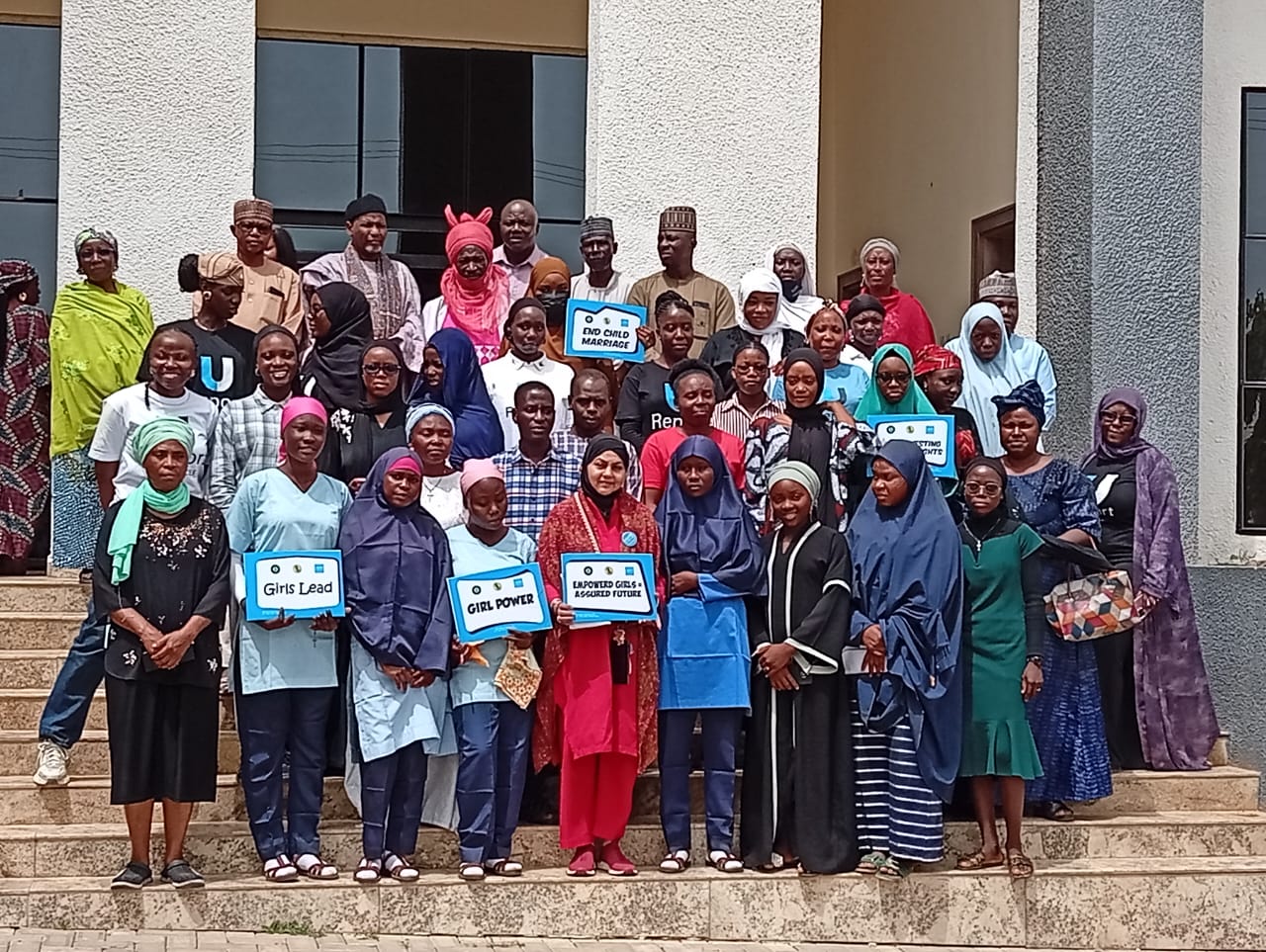
Traditional rulers, women leaders and persons with disabilities testified to the transformative impact of the WoRGE Project, saying that prior to its implementation, many women were unaware of their rights due to entrenched patriarchal and religious norms.
They applauded OXFAM and its partners for improving the lives and livelihoods of vulnerable populations in the state.
The 18-month project, which began in December 2023, has lifted numerous beneficiaries out of poverty, enhanced living conditions and increased awareness of gender-based issues.
Implemented in Michika and Guyuk Local Government Areas with support from the German Federal Ministry for Economic Cooperation and Development BMZ, German Cooperation, GIZ and co-funding from the European Union, the WoRGE Project achieved several milestones.
A key highlight was the establishment of 13 safe spaces for women across the two LGAs, serving as platforms for empowerment, peer support and capacity building.
The project also led to a 55% increase in women’s representation in traditional and community leadership structures, including the inclusion of three women and three persons with disabilities in Local Traditional Councils through sustained advocacy and leadership training.




Leave a Reply