


By Sakina Ahmed
In a significant move to enhance the effectiveness of polio vaccination efforts, traditional leaders have been reminded of their crucial role in the 2025 strategic shift regarding team selection for the polio campaign.
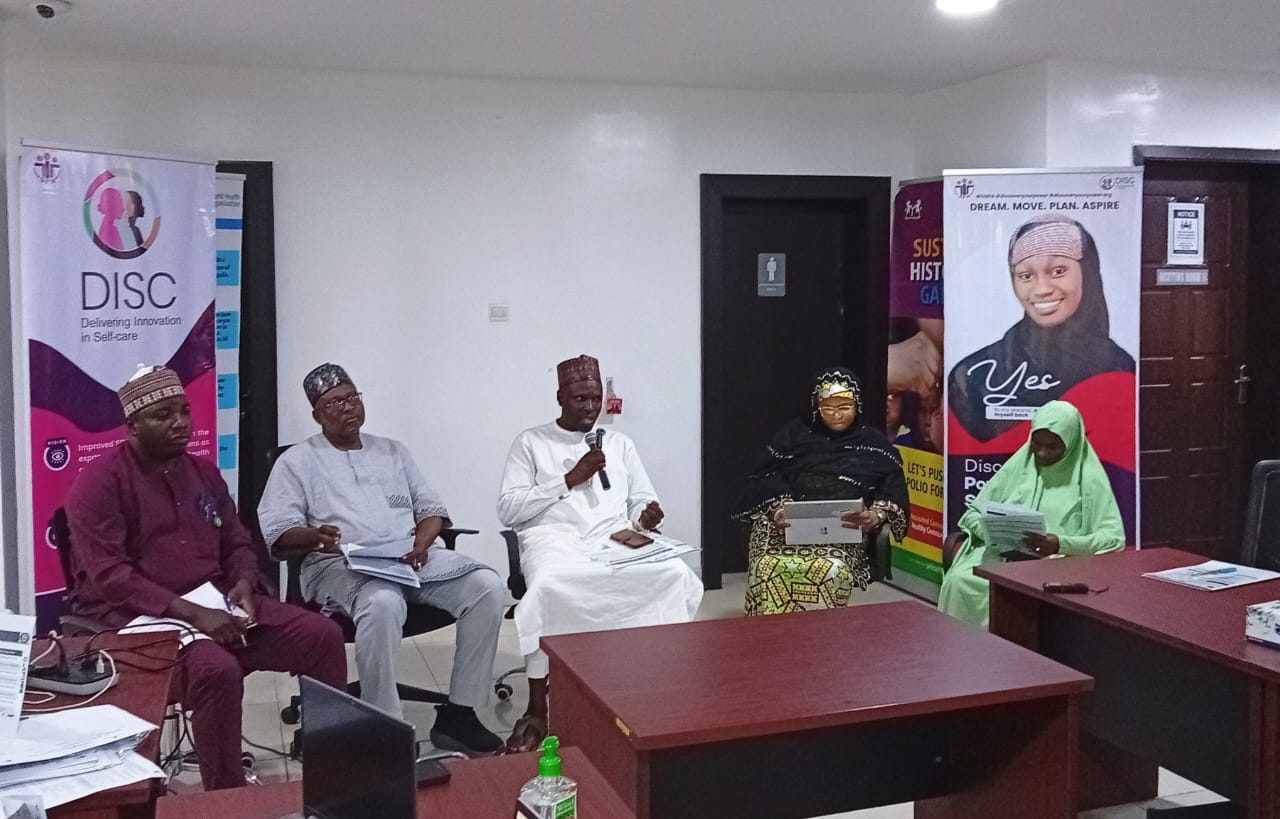
The Chairman of Yola North Local Government Area, Jibril Ibrahim Jimeta, emphasized this point during a one-day workshop organized by the Sultan Foundation in collaboration with the Adamawa State Primary Healthcare Development Agency.
While addressing the participants, Jibril Jimeta urged them to pay close attention, explaining that the initiative seeks to integrate traditional institutions at all levels of the polio response.
This recognizes their influence in community mobilization and the social acceptance of health interventions.
Speaking during the engagement, the representative of the Sultan Foundation, Mr. Akilu Mu’azu Abdullahi, briefed traditional leaders on their expanded responsibilities.
These now include the nomination and screening of credible team members, such as supervisors, recorders, vaccinators, and community leaders.
Mr. Mu’azu further stated that each ward will have a designated village head to coordinate the team selection process, ensuring local representation and accountability.
He added that all team members are to be selected by traditional leaders, with final endorsements requiring vetting by district heads.
Also speaking at the event, the state technical focal officer of the Sultan Foundation disclosed that Local Government Area LGA teams will serve as frontline managers of the campaign. They will oversee team selection, facilitate training, and integrate all stakeholders into the LGA microplan.
Partners such as the World Health Organization WHO, the United Nations Children’s Fund UNICEF, and the National Primary Health Care Development Agency NPHCDA are expected to provide technical and financial support, emphasizing a data-driven and transparent approach to coordination.
This strategic shift underscores a strong commitment to improving polio response efforts through community involvement and the effective engagement of traditional leadership.
It aims to establish a more robust and accountable framework for health interventions in the state and across the country.








Leave a Reply