


By Muhammad Jamil Abubakar
Nigeria has been named among the countries with the highest number of people practicing open defecation, prompting the Federal Government to launch the Clean Nigeria: Use the Toilet campaign.
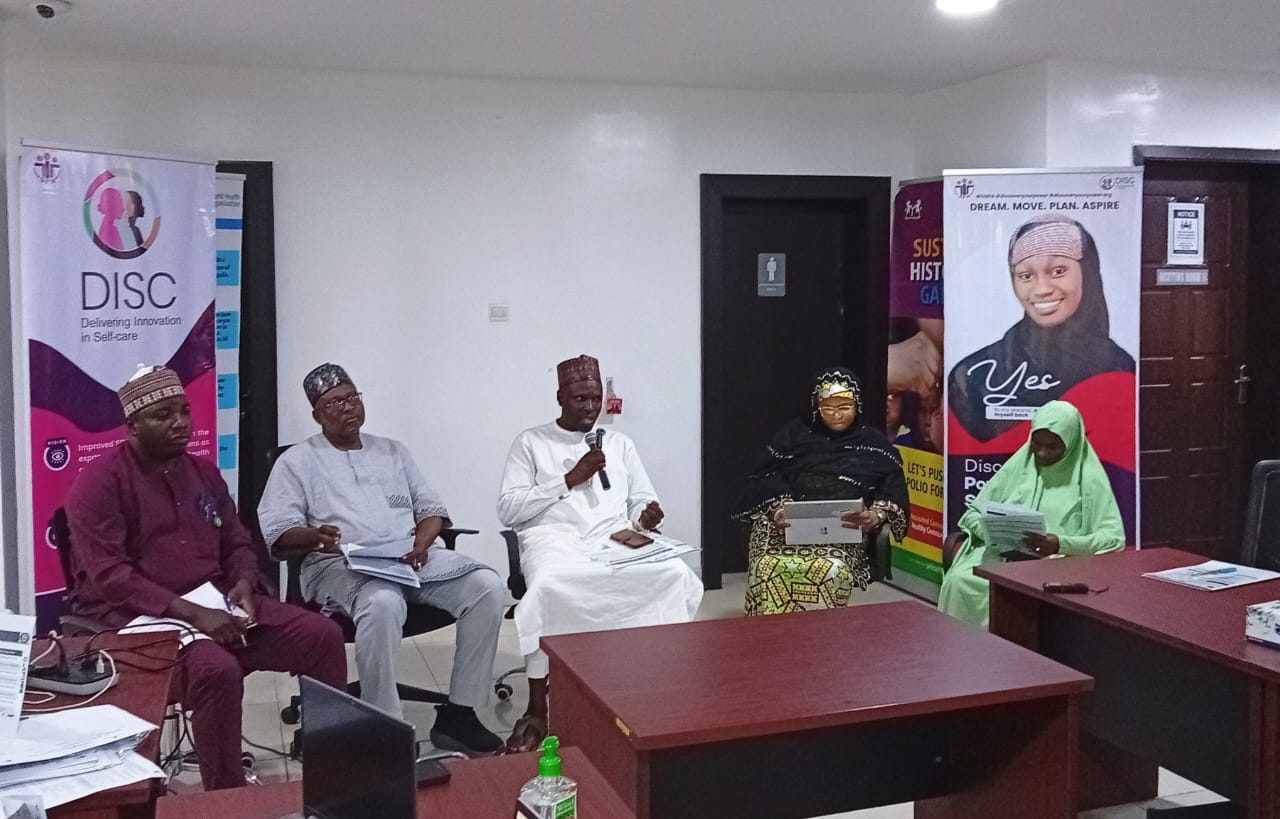
This was revealed by the Chief of UNICEF Bauchi Field Office, Dr. Nuzhat Rafique, during a media dialogue on accelerating faecal sludge management strategy adoption in Gombe State.
Represented by UNICEF WASH Officer, Nambam Michael Dawap, Dr. Rafique urged all states to adopt and implement the campaign locally to raise awareness about the dangers of open defecation and the benefits of clean environments, especially for child growth and national development.
She noted that Gombe State has yet to attain Open Defecation Free (ODF) status in any of its local government areas and emphasized UNICEF’s readiness to support the state in developing strategic guidelines for effective faecal sludge management (FSM), including the construction of usable toilets and proper waste separation systems.
The Gombe State Government, through the Ministry of Water, Environment and Forest Resources, reaffirmed its commitment to addressing sanitation challenges.
Speaking during the awareness campaign organized by RUWASSA in collaboration with UNICEF, the Director of Water Resources, Mohammed Abubakar Sadiq who represented the Honourable Commissioner highlighted ongoing efforts to establish faecal sludge treatment plants, engage the private sector, and empower sanitation workers.
He disclosed that FSM has now been fully integrated into the state’s sanitation master plan, with an emphasis on converting waste into valuable resources like biogas, organic fertilizer, and non-potable water.
The Director also applauded UNIDO for supporting the state’s environmental goals through a 320-megawatt small hydro power project set to be launched, which ties into broader clean energy and sustainable development objectives.
Stakeholders were called upon to support policies and community-led actions to end open defecation in Gombe. The campaign ended with a collective call for innovation, partnership, and investment to build a healthier, cleaner, and more dignified future for all.







Leave a Reply