

By Gloria Abutu
Despite growing demand for family planning services in Adamawa State, limited funding and an inadequate supply of commodities continue to hinder access, leaving many women vulnerable to unplanned pregnancies and avoidable health risks.
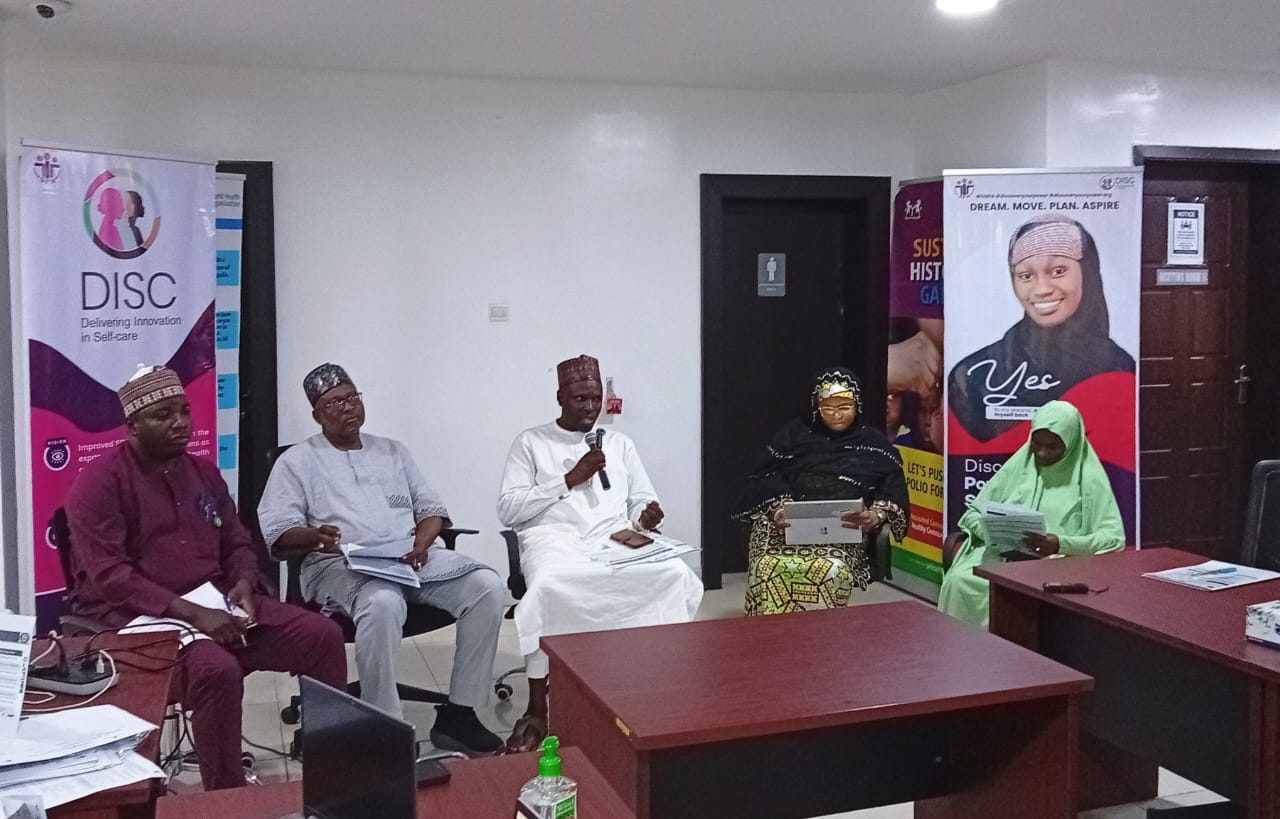
Health stakeholders raised this concern at a media roundtable held in Yola, the Adamawa State capital, where they called for urgent and increased investment in family planning to bridge the wide gap between demand and service availability.
With an estimated population of 5.2 million and over 1.13 million women of reproductive age, Adamawa’s fertility rate remains high at 5.3%.
Yet, only 20.4% of women who need family planning services are currently being served, highlighting a significant unmet need in reproductive healthcare.
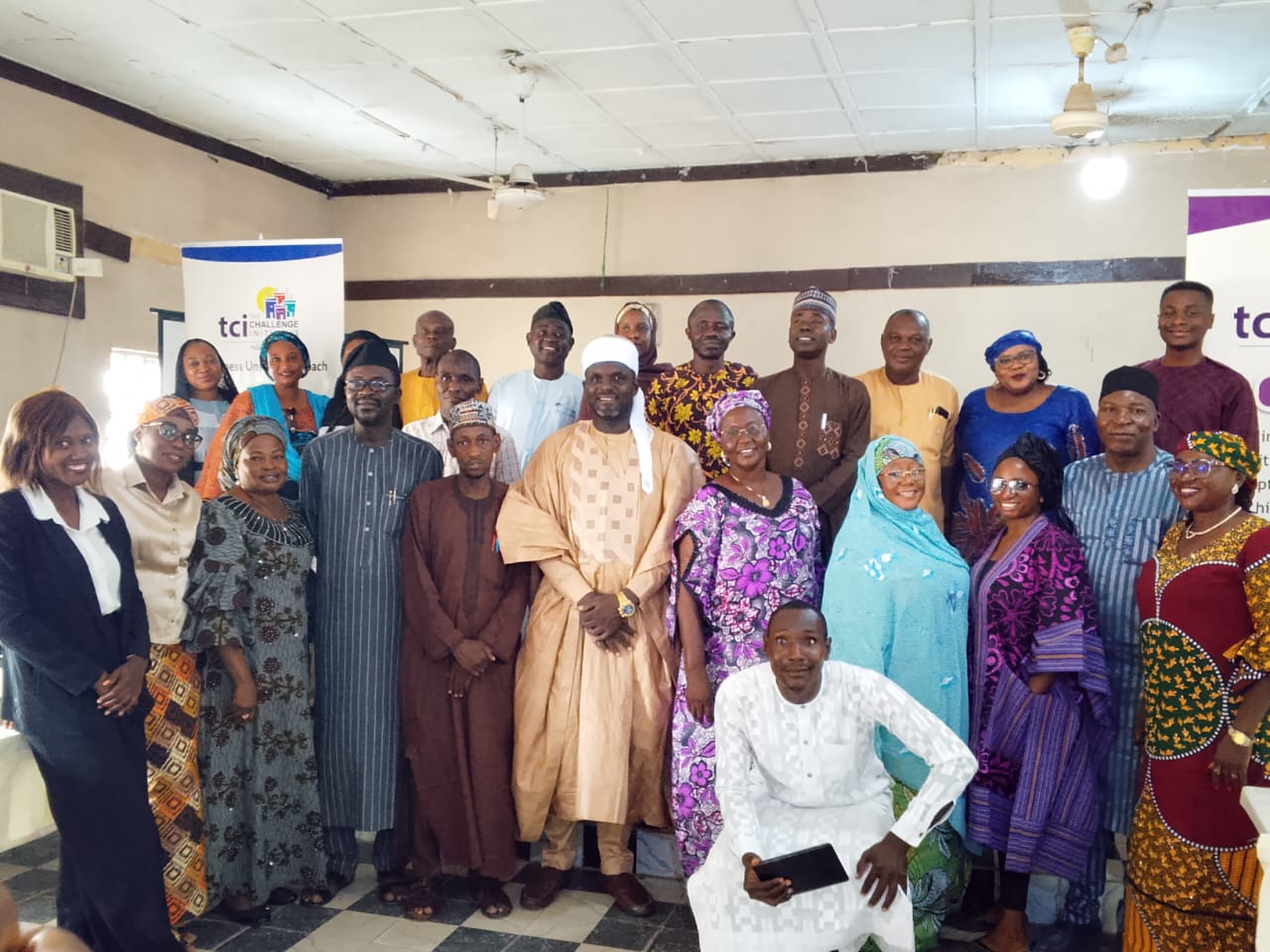
The media engagement, hosted by The Challenge Initiative (TCI) in collaboration with Development Communications Network (Devcoms), brought together key stakeholders to discuss challenges and strategies to improve access.
TCI Adamawa State Project Manager, Godiya Yusuf acknowledged the ₦22 million support by the state government for procurement of commodities, but described it as insufficient to meet the growing demand.
“As of the last quarter, we had a total of 104,486 family planning acceptors, with 79,164 currently using modern contraceptives. Overall, we have recorded over 40% increase in new acceptors and women using modern methods. This progress underscores the urgent need for more funding to sustain the momentum,” Yusuf stated.
State Family Planning Focal Person, Aisha Garba Abubakar, lamented the low modern Contraceptive Prevalence Rate (mCPR) which stands at just 17.5%.
She noted that inadequate supply of commodities remains a key barrier to access and called for greater support to help reduce maternal mortality and unplanned pregnancies.
The problem is further compounded by persistent myths and misconceptions about family planning.
Traditional and religious leaders at the forum admitted these beliefs are deeply rooted in communities but pledged to support ongoing sensitization efforts.
“The Church has not slacked. We have been talking and will continue to do so. When the Bible says ‘be fruitful and multiply and replenish the earth,’ it didn’t say you should give birth to children that will become a nuisance in society,” said Rev. Victor Sajeh, a representative of the Christian Association of Nigeria (CAN).
From the Muslim community, Alh. Bashir Tahir of the Muslim Council promised renewed commitment to educating followers.
“The Prophet’s pronouncement said ‘marry and reproduce,’ but in another Hadith, if you produce what you cannot take care of, the Prophet will not be proud of you,” he explained.
Alh. Sanusi Yahaya, who represented the District Head of Girei, Dr. Ahmed Ibrahim Mustapha, pointed out the impact of superstitions and misinformation in communities.
“Some still believe that family planning is a Western agenda to reduce our population. But the traditional institution is working to sensitize the people,” he said, emphasizing the need to also target men in sensitization efforts for more effectiveness.
They emphasized that child spacing is not in conflict with religious or cultural values, and applauded the organizers for the initiative.
State Reproductive Health Coordinator, Tulhungu Huziel, addressed common misconceptions, particularly the belief that family planning causes infertility, and reaffirmed that modern methods are both safe and effective.
Also speaking at the event, the Permanent Secretary of the Ministry of Health, Bubanani Zira, reiterated the state’s commitment to improving reproductive health services.
“With child spacing, a woman has time to rest before the next child. We will continue to advocate for people to embrace family planning,” Zira stated.
The media was commended for its crucial role in promoting public awareness.
According to the organizers, high-impact intervention efforts, including strategic collaborations with journalists over the past year have contributed to significant growth in demand.
Media advocates at the event pledged continued support in driving public education and tackling misinformation.
Participants at the roundtable were unanimous in their call for action, emphasizing the need for sustained awareness campaigns and, more importantly, expanded and consistent funding to close the access gap and improve reproductive health outcomes in Adamawa state.









Leave a Reply