

By Murtala Muhammad
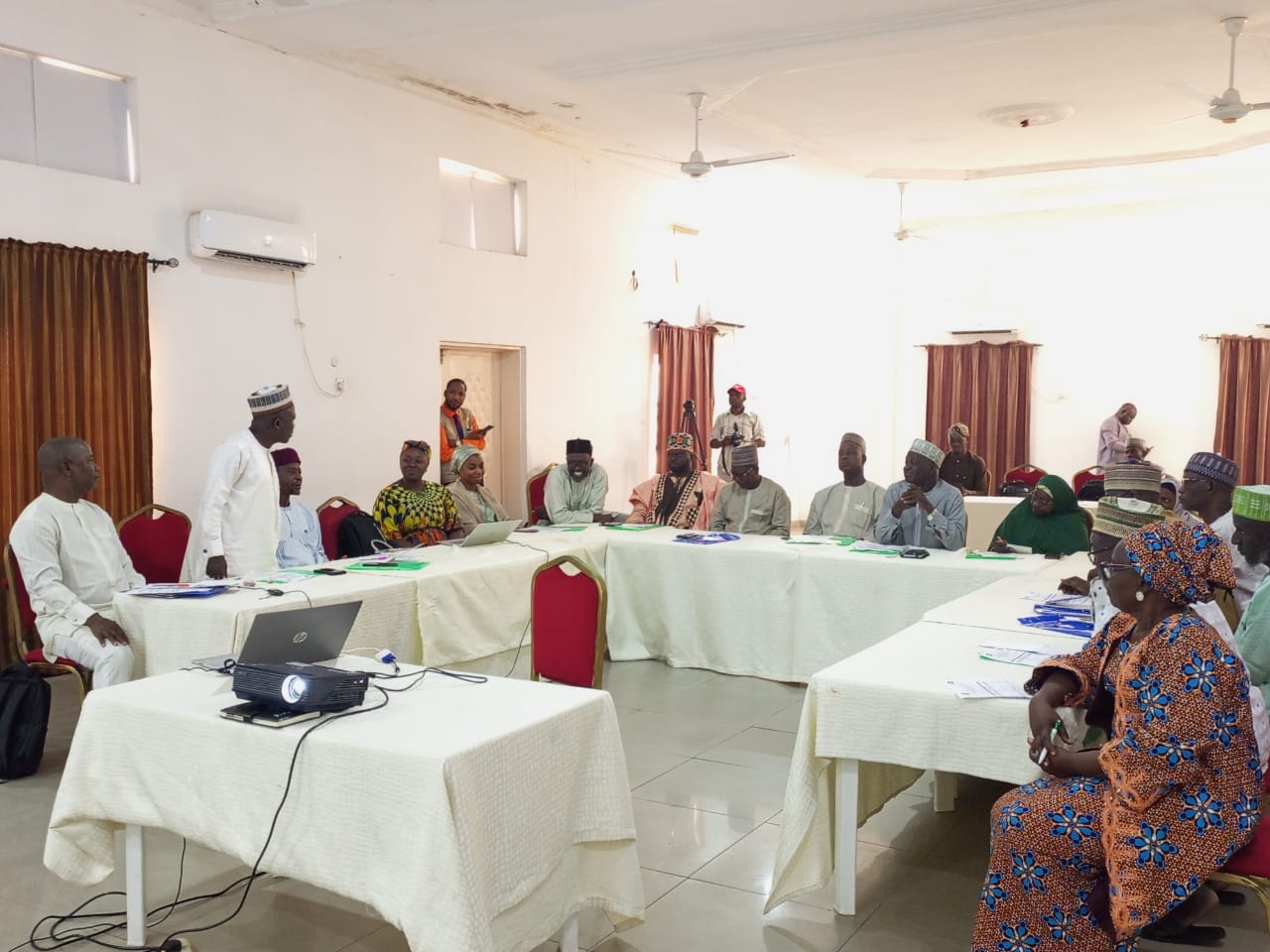
Bauchi state government has convened twenty academics for a two-day sensitisation workshop on harnessing demographic dividend aimed at addressing issues of data reliability in the state.
Demographic dividend is the potential for accelerated economic growth that can occur when a country has a relatively large working-age population that exceeded its dependent population (children and the elderly).
The workshop, organised by the Bauchi State Ministry of Budget, Economic Planning and Multilateral Coordination in collaboration with the United Nations Population Fund (UNFPA), drew participants from all tertiary institutions across the state.
Addressing the participants, the Permanent Secretary in the ministry, Jibril Mohammed Yusuf said the essence of the engagement was to tap the academics’ experience in generating local data that is reliable for use in planning appropriately for the benefit of all categories of citizens.
He said it was awkward for some organisations to enter the state ‘from nowhere’ and produce misleading data that portrays the state in a bad light.
He charged the participants to be attentive and understand the concept of demographic dividend to contribute practical solutions.
The Assistant Country Representative UNFPA, Mr Dashe Dasogot said the academics have the capacity to generate data, analyse and reduce it to specific issues that concern each aspects of development in the State.
Mr Dasogot emphasised the need for all participants to understand the analysed data and have a clear view of its connection to the state’s economic growth as well as the contribution needed from each of the demographic groups.
He noted that in the three segments of of demographic dividend, the economically active population is the aged 15-64 while children and elderly were dependents.
The UNFPA Assistant Country Representative clarified that demographic dividend was not promoting population control, but its proper management through strategic planning.









Leave a Reply