


By Aminu Dalhatu
Former Chairman of the Independent National Electoral Commission (INEC), Professor Attahiru Jega, has called on civil society organizations and citizens to play active roles in mobilizing and influencing the electoral process to ensure that capable individuals occupy leadership positions across all arms of government.
Professor Jega made the call while delivering a virtual presentation during the 3rd Hybrid Annual National Conference of the Department of Political Science, Federal University Gusau, held in Gusau, the Zamfara State capital.
He expressed concern over the way political parties recruit candidates, which he said limits the emergence of competent, honest, and visionary leaders.
According to him, the absence of good leadership has been a major setback to both democracy and national development in Nigeria.
“In Nigeria, we must ensure that, those we bring into leadership are accountable. They must hold themselves and others responsible for their actions and results, create a culture of excellence, and drive high performance”
He added that, the kind of leaders Nigeria needs must be change agents, capable of driving reforms, addressing current challenges and exploring opportunities for future development.
Professor Attahiru Jega further stressed that, visionary leadership must go beyond selflessness to include patriotism and a strong commitment to people-oriented policies that guarantee fundamental human rights and security.
“Many people may wonder how we can bring about such leadership. My answer is simple: first of all, we must not lose hope in Nigeria. If we remain optimistic about a good future for our country, then we must also get actively involved in organizing for positive change and the attainment of good leadership for our democratic development,” he said.
He lamented that, Nigerians spend too much time agonizing over the country’s problems rather than becoming actively engaged in finding solutions that can reverse its fortunes.
While stressing the urgent need for Nigeria to embrace visionary and accountable leadership, Jega noted that, good governance must be democratic, people-centered, and focused on addressing the needs of citizens rather than serving the interests of a privileged few.
He clarified, however that, although Nigeria has produced some good leaders, their number is very few compared to the nation’s leadership needs.
“I would like to say that, in a transitional democracy such as Nigeria’s
and in its current stage, Nigeria needs and deserves to have good leadership across the board and must have democratic content that must be participatory, with bottom-up processes and have inclusivity”
In his remarks, the Vice Chancellor of the Federal University Gusau, Professor Mu’azu Abubakar, represented by the Deputy Vice Chancellor Academic, Professor Aliyu Usman, said the conference theme was carefully chosen considering the Nigeria’s current democratic and developmental challenges.
“The expectation is that, at the end of this conference, participants will gain meaningful insights into how democracy impacts leadership, and how purposeful leadership in turn drives Nigeria’s national development,” he said.
Professor Abubakar expressed confidence in the caliber of scholars and keynote speakers, assuring participants of immense benefits from their presentations. He added that the conference also serves as a forum for researchers to share ideas, network, and propose practical solutions to Nigeria’s developmental challenges.
Also speaking, the acting Head of the Department of Political Science, Dr. Aminu Idris, described the annual conference as a vital platform to deliberate on Nigeria’s pressing political and developmental challenges to proffer solutions.
He said this year’s theme comes at a critical moment in the nation’s democratic and security journey while the discussions would focus on governance, security, democratic consolidation, and public accountability.
Dr. Idris expressed optimism that the outcome of the conference would not only enrich academic literature but also serve as a valuable reference for policymakers, development partners, and security agencies.
Dr. Idris appreciated the keynote speaker, Professor Attahiru Jega, and other lead paper presenters including Professor Usman A. Tar and Professor David O. Moveh, for honoring the department’s invitation despite their busy schedules.
Ealier, Governor Dauda Lawal of Zamfara State represented Commissioner for Education, Science and Technology said no society can develop without a quality leadership, functional democracy, and good governance.
He noted that purposeful leadership and accountable governance remain the bedrock of progress and a sense of belonging for the people, stressing that his administration has made significant strides in these areas.
The Governor observed that Nigeria’s youth possess enormous talent, knowledge, and ambition, coupled with new technological opportunities that position them to build a more open and connected society.
He expressed confidence that with the right leadership and governance, the younger generation would achieve what past generations could not.
He, however, highlighted the complexity of contemporary governance, citing violent conflicts, terrorism, banditry, kidnappings, communal clashes, economic inequality, climate change, and political polarization as challenges threatening national cohesion.
He urged students, researchers, and future leaders to contribute innovative solutions to these global and national problems.
The Governor urged stakeholders to rise above moral decadence and embrace accountability.
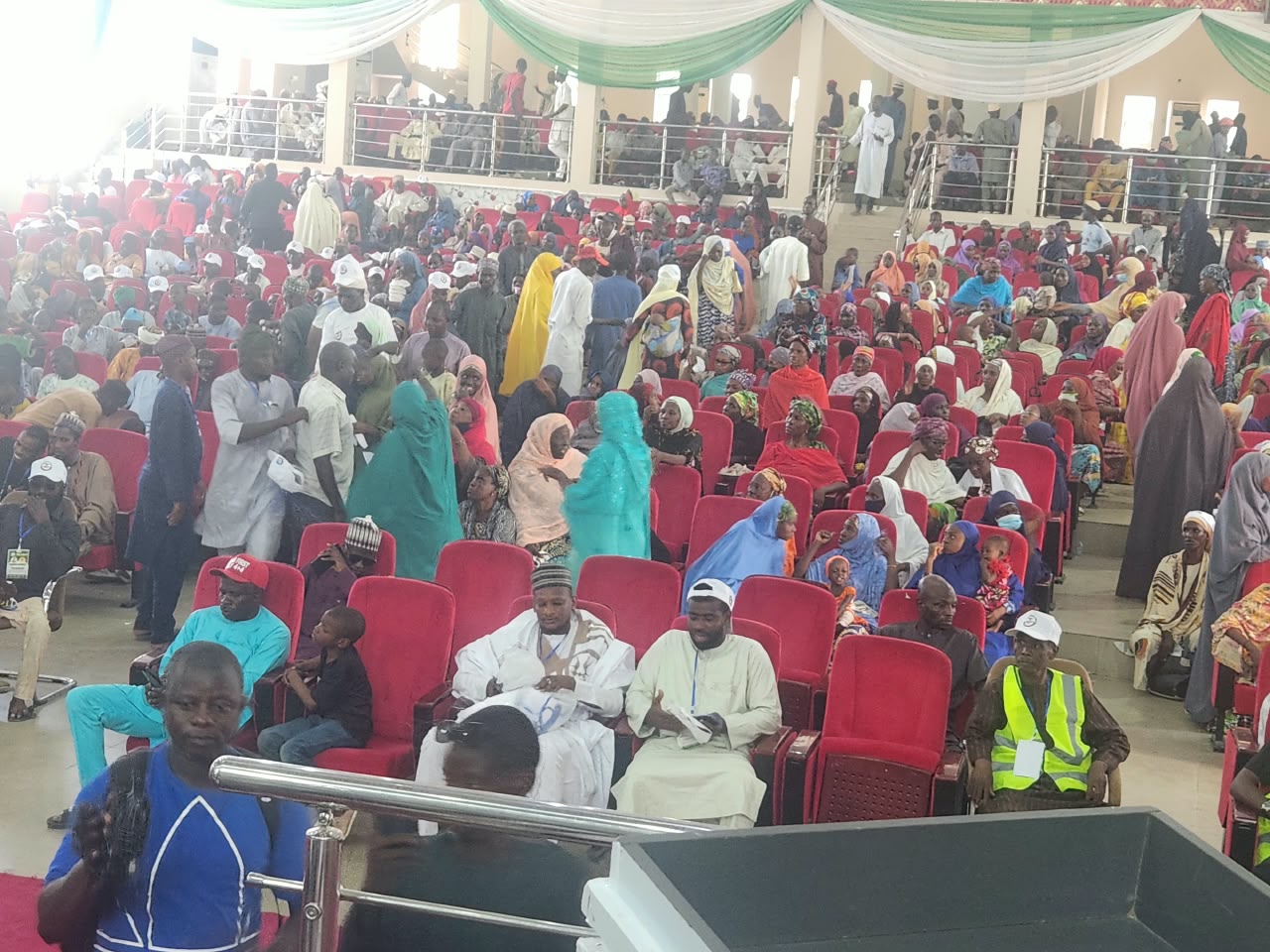
The Conference with the theme” Leadership, Democracy and Nigeria’s National Development” had brought together brought together students and other stakeholders.





Leave a Reply