

By Murtala Muhammad
Bauchi State Government has established a dedicated budget line for tackling Neglected Tropical Diseases (NTDs), signalling renewed commitment to eliminating the conditions that continue to affect the vulnerable people.
However, health experts warn that inadequate funding remains a major barrier to achieving full elimination.
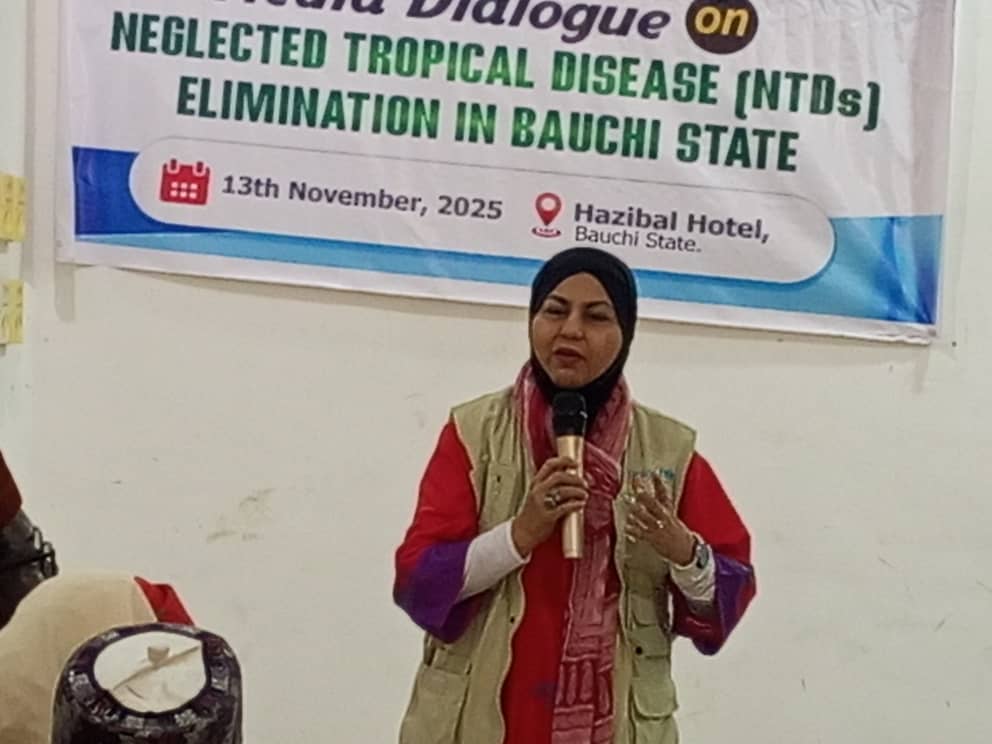
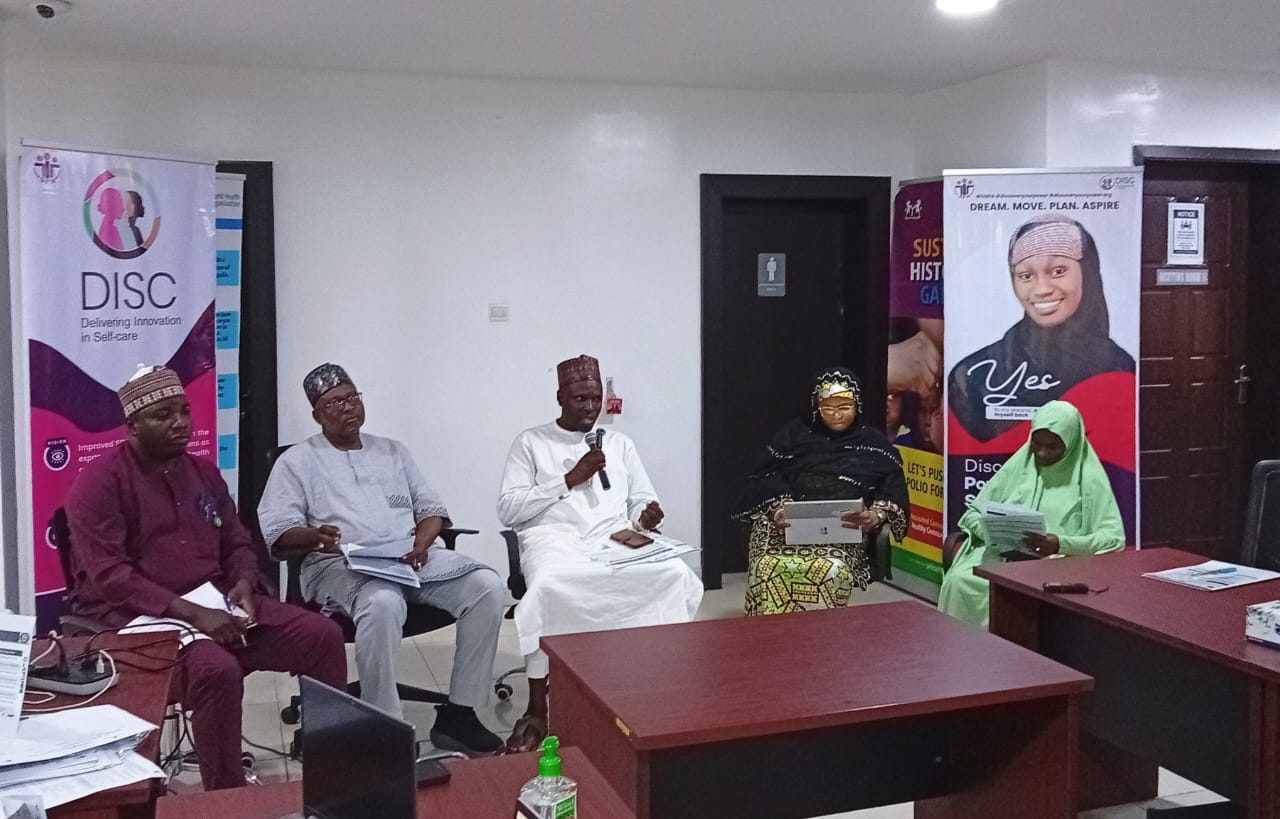
Speaking during a one-day media dialogue organised in collaboration with UNICEF and other partners, the State NTDs Coordinator, Mr Haruna Wakili, revealed that eighteen out of twenty local government areas in Bauchi State are battling at least one form of NTD.
He described the new budget line as a significant step forward but stressed that much more investment is required.
Mr Wakili noted that despite ongoing support from partners such as UNICEF and Mission to Save the Helpless (MITOSATH), the scale of the challenge demands stronger government financing and consistent political will.
The Zonal Coordinator for NTDs at the Federal Ministry of Health and Social Welfare, Hajiya Hauwa Abubakar, highlighted the consequences of insufficient resources, explaining that NTDs, though preventable and treatable, continue to spread in environments that lacks adequate sanitation and hygiene.
She reiterated that poor environmental conditions, coupled with vectors such as mosquitoes, enable the diseases to spread, affecting productivity, family relationships and mental well-being.
Chief of UNICEF Bauchi Field Office, Dr Nuzhat Rafiq, emphasised the urgency of scaling up funding for Water, Sanitation and Hygiene (WASH) interventions, describing them as essential pillars in preventing NTD transmission.
She called on the government at all levels to back existing commitments with adequate resources.
Dr Rafiq also urged journalists to sustain advocacy by disseminating accurate information that can drive behavioural change and community engagement.
Participants at the media dialogue shared insights on improving coverage of NTD-related issues, emphasising the need for stronger collaboration between the media, government and development partners to ensure that underserved communities are not left behind.



Leave a Reply