

By Muhammad Jamil Abubakar
In Kalargo community, Kaltungo Local Government Area of Gombe State, mothers like Amina Isa once feared watching their children grow thin, weak and sickly a common reality in many parts of Northern Nigeria where malnutrition remains a silent threat to child survival. But today, her story has changed.
“My baby eats better and is growing well. I no longer worry like before, Amina said with relief, her face bright with hope.”
She is one of hundreds benefiting from the PARSNIP nutrition programme, which provides food supplements and teaches mothers how to improve feeding for babies.
For years, many families in Northern Nigeria struggled with malnutrition due to poverty, low dietary intake and limited access to nutritious foods. Children between six months and two years are the most vulnerable, and without support, many do not get the nutrients needed to grow.
PARSNIP — Progressing Action on Resilient Systems for Nutrition Through Innovation and Partnership — is helping change this story. Supported by UNICEF and funded by the Foreign, Commonwealth & Development Office (FCDO) in collaboration with the Gombe State Government, the project is active in Kwami, Kaltungo and Dukku LGAs.
The programme focuses on children aged 6–23 months, providing Small Quantity Lipid-Based Nutrient Supplements (SQLNS) and training mothers on proper infant and young child feeding.
More than 106,248 children have so far received nutrient supplements, while 20,347 caregivers have been trained to detect early signs of malnutrition using MUAC tapes and adopt better feeding habits at home.
Another mother in Kalargo, Aisha Muhammad Aliyu, shared her progress:
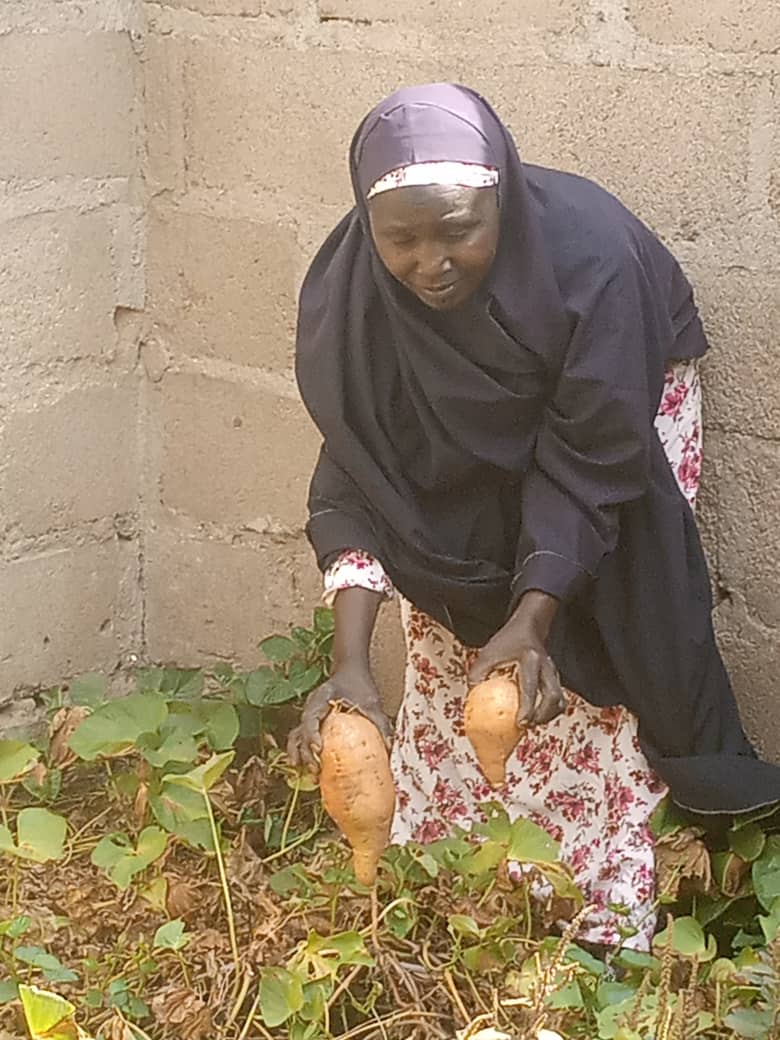
“We were given orange-fleshed sweet potato vines. I plant it at home and add it to my child’s food. It makes a big difference even helps us earn a little money.”
State Nutrition Officer, Muhammad Bawa, explained that the programme also introduces Orange-Fleshed Sweet Potatoes (OFSP) rich in Vitamin A which are planted, processed and added to meals to improve child growth.
Women are trained to cultivate, process and even sell the vines, tubers and leaves bringing both nutrition and income into households.
He said Gombe is one of the pilot states benefiting and called for expansion to reach more communities:
“The children are responding well. We hope this programme can be extended to more LGAs so no child is left behind.”
From mothers who now watch their children thrive, to nutrition workers hopeful for long-term progress the message is clear:
And as more children in Gombe eat better and grow stronger, the call becomes louder
expand it, sustain it, and help more families break free from the fear of malnutrition.
For Amina and others like her, the story is no longer one of worry, but one filled with renewed hope, fuller plates and healthier children.







Leave a Reply