

By Abdullahi Jalalludeen
Stakeholders in the nutrition and health sector have emphasized the pivotal role of the media in addressing malnutrition and anaemia in Nigeria, particularly among women and children who remain the most vulnerable to the condition.
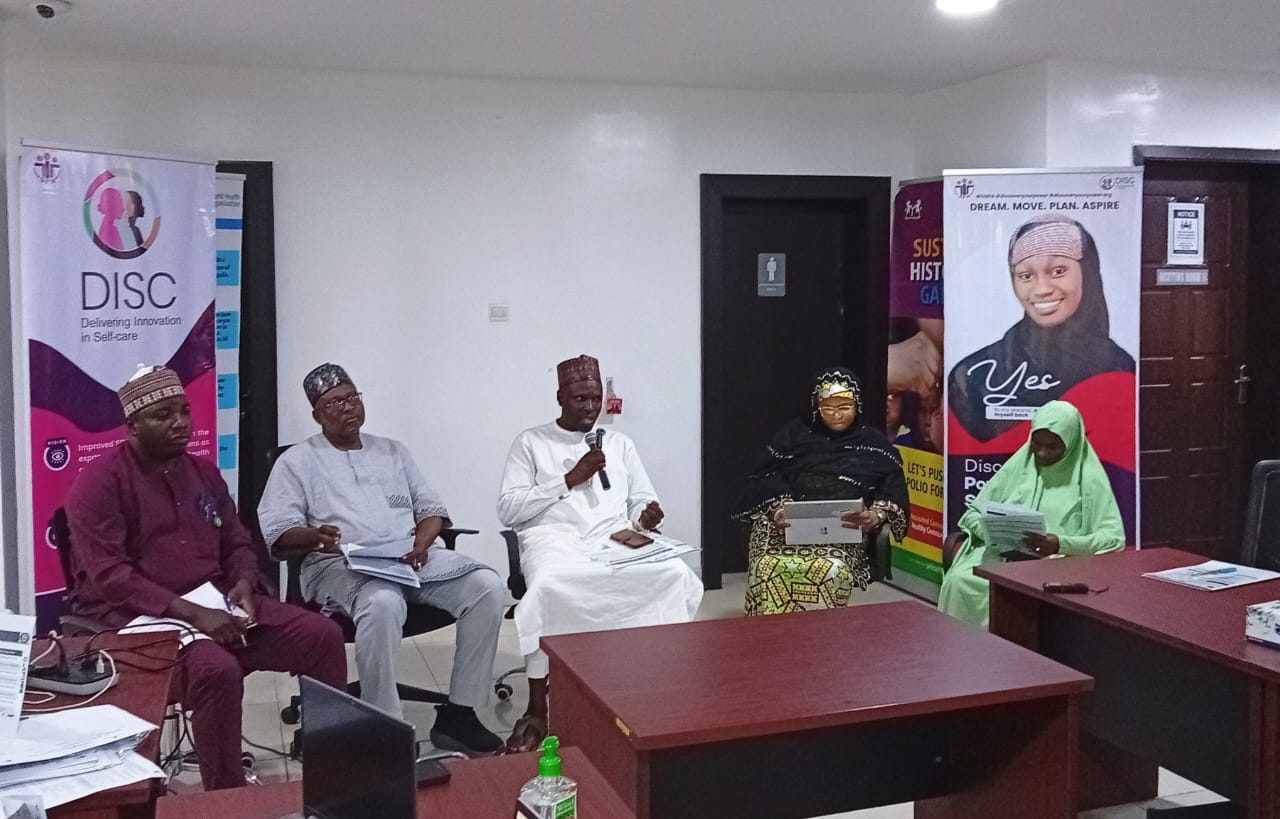
The call was made during a three-day media capacity-building workshop held in Abuja and organized by the Civil Society–Scaling Up Nutrition in Nigeria (CS-SUNN), aimed at strengthening informed and impactful reporting on nutrition-related challenges.
Speaking at the workshop, the Executive Director of CS-SUNN, Mr. Sunday Okoronkwo, described the media as a critical partner in national development efforts, noting that many women and children affected by malnutrition-related conditions, including anaemia, often lack a strong voice in policy and public discourse.
Mr. Okoronkwo said anaemia continues to rank among Nigeria’s most persistent public health and nutrition challenges, with women of reproductive age, children and adolescents bearing the greatest burden. He stressed that preventive approaches remain more effective and sustainable than emergency responses.
According to him, the use of Multiple Micronutrient Supplements (MMS) is a key preventive intervention that can significantly reduce anaemia and other micronutrient deficiencies.
He explained that MMS is readily available, accessible and relatively affordable compared to many other health interventions, urging increased awareness and advocacy through the media.
Also speaking, a representative of the Federal Ministry of Health and Social Welfare, Assistant Director in the Nutrition Department, Mrs. Helen Achimugu, presented an overview of Nigeria’s nutrition landscape, with emphasis on micronutrient deficiencies and anaemia among women and children.
Mrs. Achimugu highlighted the scale of the problem and its far-reaching health and socio-economic consequences, including reduced productivity, poor maternal outcomes and impaired child development.
She outlined ongoing government strategies and interventions aimed at addressing the nutrition crisis, while calling for stronger collaboration with the media to drive public awareness and behavior change.
In his presentation, Dr. Geoffrey Njoku focused on strengthening media reporting on nutrition and anaemia through human-centred storytelling.
He urged journalists to adopt ethical, solution-oriented and people-focused reporting approaches to improve public understanding of nutrition and public health issues.
Dr. Njoku encouraged participants to prioritize real-life experiences—particularly those of pregnant women and other vulnerable groups—to clearly illustrate the real-world impact of anaemia before presenting statistics and technical data.
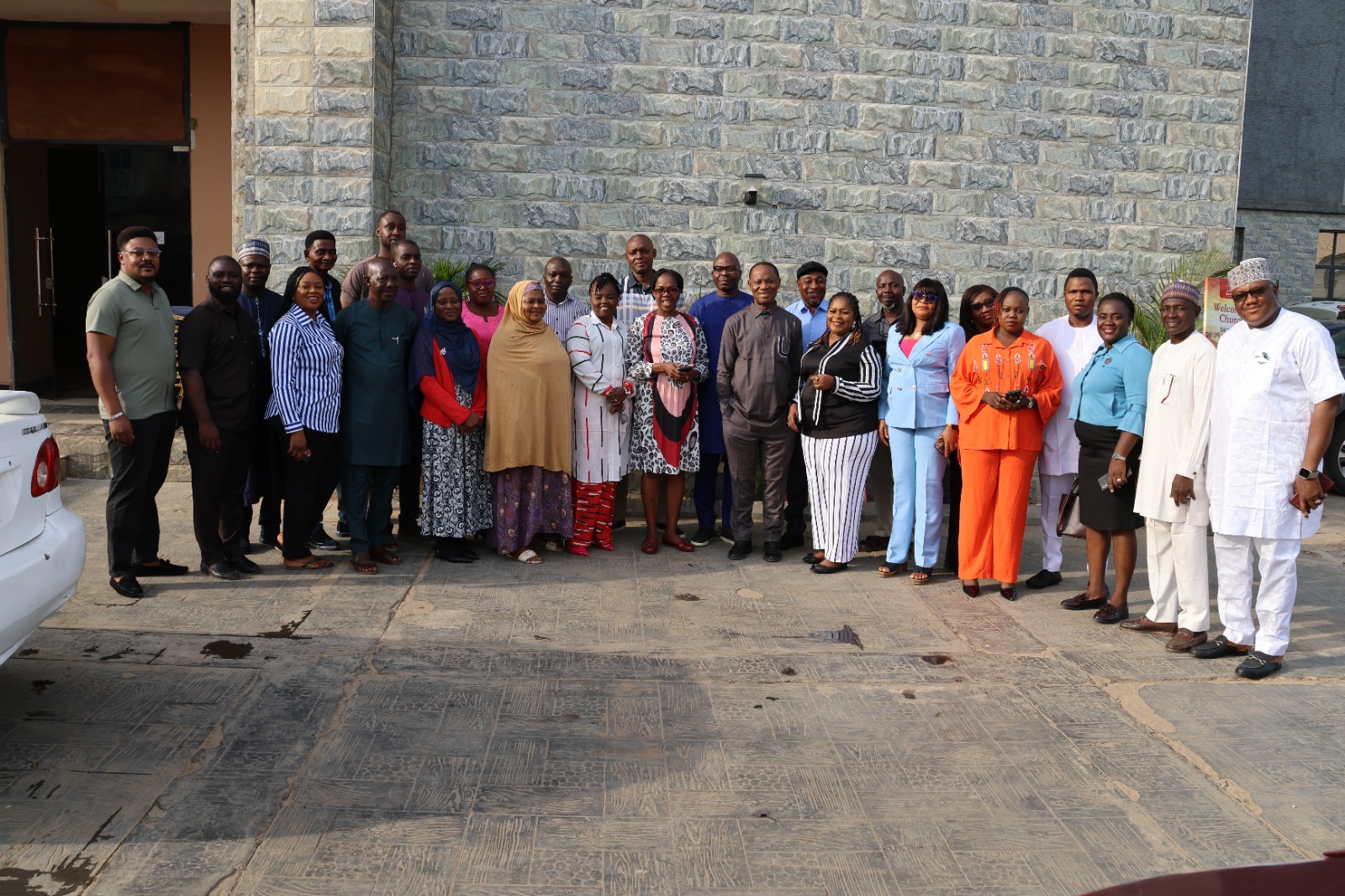
The workshop brought together journalists and media professionals from across the country as part of broader efforts to enhance accurate, responsible and impactful reporting on nutrition and anaemia in Nigeria.





Leave a Reply