

By Abdullahi Jalalludeen
Improved Water, Sanitation and Hygiene (WASH) systems are being recorded in communities across Kano State, with support from Self Help Africa under its WASH programme.
The development formed the focus of a WASH Media Refresher Training and field assessment tour organised for journalists in the state, aimed at strengthening media engagement in promoting sustainable water and sanitation practices.
Radio Nigeria Correspondent reports that the initiative underscores the growing impact of coordinated efforts among development partners, government institutions and local communities in improving public health outcomes.
Self Help Africa, an international development organisation committed to promoting sustainable livelihoods and healthy lives in a changing climate, has operated in Nigeria since 1999. Over the years, it has implemented interventions in WASH, agriculture and food systems, sustainable landscape management and climate adaptation initiatives.
In a renewed effort to reinforce WASH systems in Kano State, the organisation convened a Media Refresher Training designed to enhance journalists’ understanding of water governance, sanitation policy tracking, accountability frameworks and behavioural change communication strategies.
Facilitators emphasized the pivotal role of the media in shaping public discourse, driving community awareness and ensuring that investments in WASH infrastructure translate into long-term, sustainable impact.
Participants engaged in intensive sessions on policy monitoring, community engagement techniques and strategies for amplifying citizen voices in development processes.
Following the training, journalists embarked on a field visit to Maitsidau and Koguna communities in Makoda Local Government Area to assess ongoing WASH interventions and evaluate their real-time impact.
The tour provided first-hand insight into how partnership-driven accountability mechanisms are influencing service delivery at the grassroots level.
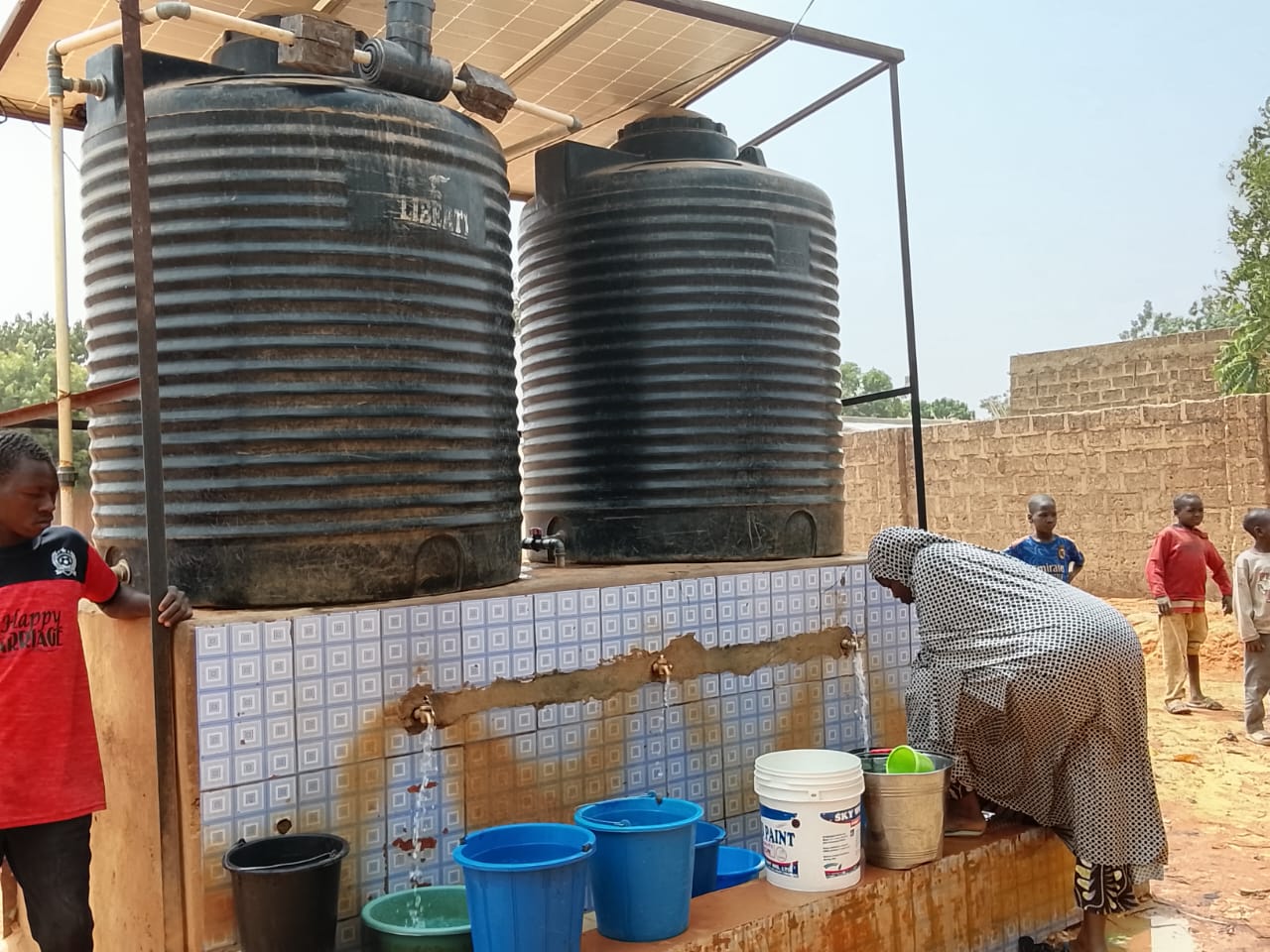
In Maitsidau community, residents reported noticeable improvements in access to clean and safe water.
Functional boreholes and water facilities have significantly reduced the burden of long-distance water collection, particularly for women and children.
Community members also pointed to improved hygiene practices, attributing the change to consistent sensitisation campaigns and enhanced infrastructure.
There were increased reports of toilet usage in both schools and households, reflecting a growing awareness of sanitation’s health benefits and a shift away from open defecation practices.
Malam Jamilu Hudu and Malam Nazifi Umar, acknowledged that the provision of water facilities by a political office holder, combined with sustained WASH awareness campaigns, has transformed hygiene habits within their homes.
The Education Secretary of Makoda Local Government Area, Malam Mujitaba Umar, highlighted the collaboration between the Kano State Government and Self Help Africa in strengthening WASH services across schools and communities.
He noted that improved access to water and sanitation facilities in educational institutions has contributed to better attendance rates and a healthier learning environment for pupils.
Similarly, the WASH Desk Officer at the Kano State Ministry of Water Resources and the Information Officer in Makoda Local Government, Sani Muhammed, expressed confidence that the partnership is delivering measurable progress in both infrastructure development and community engagement.
Officials stressed that coordinated action between government agencies, development organisations and the media is critical to sustaining the gains recorded so far.
Central to the intervention is Self Help Africa’s Water Sanitation for Health (WS4H) initiative a four-year programme designed to strengthen systems and establish reliable, resilient and inclusive WASH services in Nigeria and Sierra Leone.
The programme focuses not only on infrastructure provision but also on governance reforms, behavioural change communication and institutional capacity building to ensure long-term sustainability.
Stakeholders maintain that sustained collaboration among government institutions, development partners, the media and host communities will be essential in consolidating progress and expanding access to safe water and sanitation services across Kano State.
As communities like Maitsidau and Koguna continue to record improvements, the WASH programme stands as a model of how integrated approaches can translate policy commitments into tangible benefits for citizens.


Leave a Reply