

By Jamila Abubakar
As Nigeria marks another Democracy Day, attention turns to the impact of 26 years of uninterrupted civil rule on the lives of ordinary citizens.
Nigeria’s return to democratic rule in 1999 brought an end to decades of military dictatorship.
The annulment of the 1993 presidential election, widely believed to have been won by Chief M.K.O. Abiola, became a turning point in the country’s political history, leading to the inauguration of President Olusegun Obasanjo and 26 years of uninterrupted democracy.
Today, Nigeria has functioning democratic institutions, regular elections, and a vibrant civil society.
But for many citizens, democracy must be measured not just by elections, but by tangible improvements in their daily lives.
Since assuming office in 2023, President Bola Ahmed Tinubu has pursued his Renewed Hope agenda, promising reforms, economic revival, and inclusive development.
In the past two years, bold policy moves including the removal of the fuel subsidy and the unification of the exchange rate have restructured the economy, enhanced transparency, and freed up funds for national development.
Nigeria recorded a 4.6% economic growth rate by the end of 2024, the highest in over a decade.
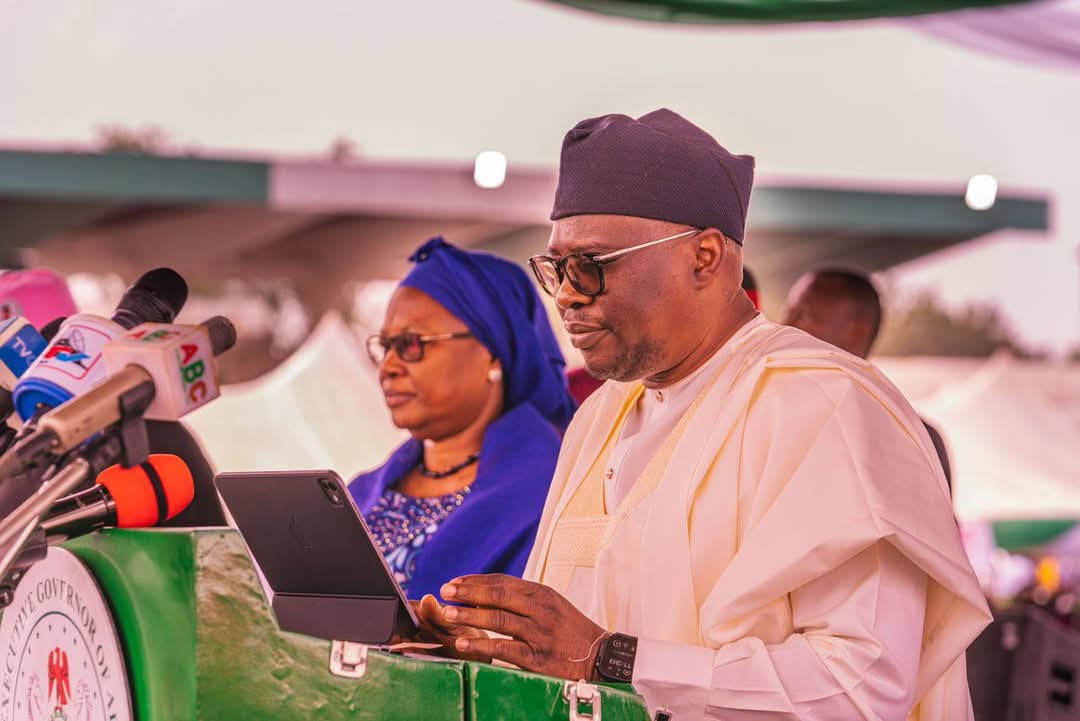
Governor Ahmadu Umaru Fintiri of Adamawa State has publicly endorsed these reforms, describing them as structured for long-term sustainability.
He noted that the Renewed Hope agenda aligns with Adamawa’s development priorities and is already making a difference in the lives of citizens.
In a remarkable achievement for Adamawa State Governor Ahmadu Umaru Fintiri, has been honored as the Best Performing Governor in Infrastructure Development in Nigeria.
This prestigious award is a testament to the Governor’s relentless dedication to transforming the state’s infrastructure and improving the lives of its citizens.
In Adamawa, one visible result of federal-state collaboration is the upgrade of the General Hospital in Mubi to a Federal Medical Centre.
This move aims to improve access to quality healthcare in the northeast and is part of broader efforts to boost regional development through strategic partnerships.
Adamawa State Government Spokesperson, Huwmashi Wonosiko, highlighted the impact of federal policies and development projects in the state.
Security agencies in the state report improvements in several regions, with coordinated efforts to neutralize threats and restore peace in vulnerable communities.
Adamawa State Police Public Relations Officer, SP Suleiman Nguroje, spoke on improved security and the reduction in criminal activities.
Education is also getting a boost through the Nigerian Education Loan Fund NELFUND.
Over one million students nationwide, including those in Adamawa, now have access to interest-free loans.
Beneficiaries in Adamawa State describe how NELFUND has helped them continue their education.
As Nigeria marks Democracy Day, some citizens reflect on how far the country has come.
A political analyst, Uba Dan Arewa, highlights the impact of democracy in the state.
From healthcare to education, security to welfare, President Tinubu’s Renewed Hope agenda is beginning to impact communities across the country, including in Adamawa.
But as many respondents note, Nigeria’s next democratic chapter must focus on deepening reforms, empowering youth, and ensuring that the dividends of democracy are felt by all.





Leave a Reply