

By Khadija Aliyu
Journalists have been urged to adopt ethical and sensitive approaches when reporting incidents involving children, avoiding practices that could cause harm or deepen trauma.
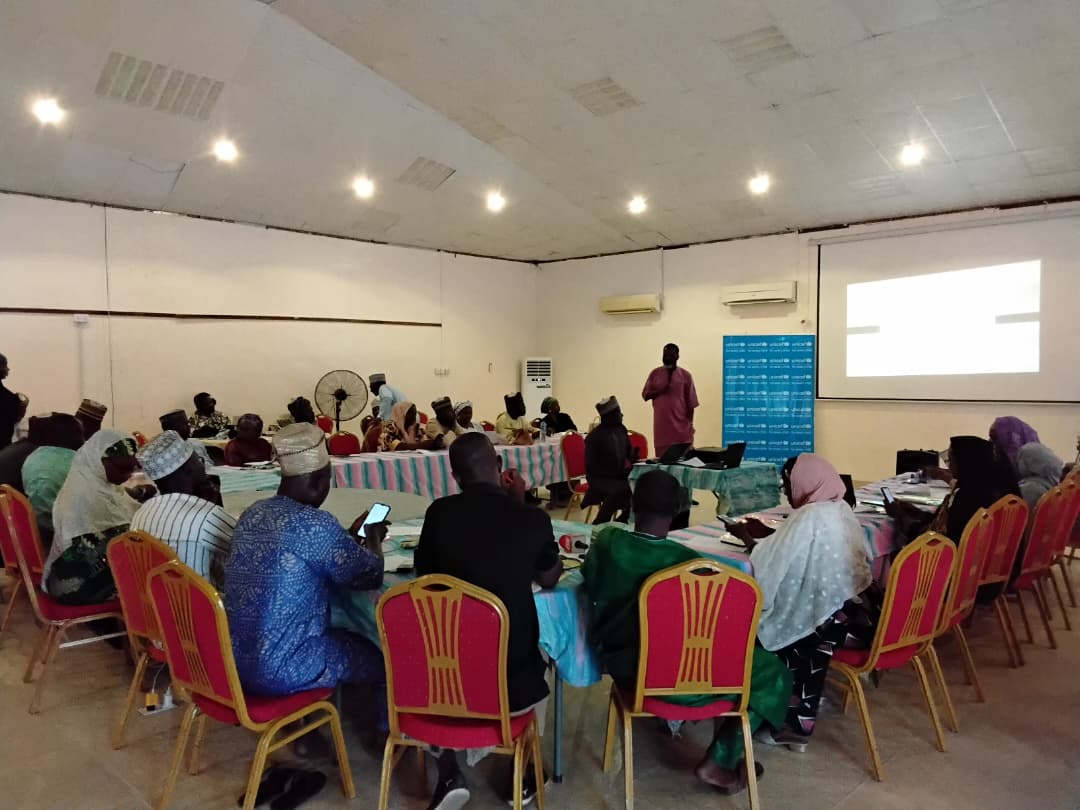
The Acting Officer-in-Charge of UNICEF Field Office in Kano, Dr Karanveer Singh, made the call during a workshop on ethical reporting of children.
The training was organized by UNICEF in collaboration with Kano State Radio Corporation.
The workshop aimed to strengthen ethical journalism principles, reduce sensationalism, and curb the spread of misinformation, particularly in reports involving children.
Dr. Singh emphasized that journalists play a vital role in safeguarding the rights and dignity of children, describing them as leaders of tomorrow.
He noted that Northern Nigeria is currently facing significant challenges, making it even more important to ensure children grow up in a safe and supportive environment.
He explained that the training highlights key ethical practices, including avoiding the use of children’s photographs without consent and refraining from publishing graphic or distressing details of violence or trauma involving minors.
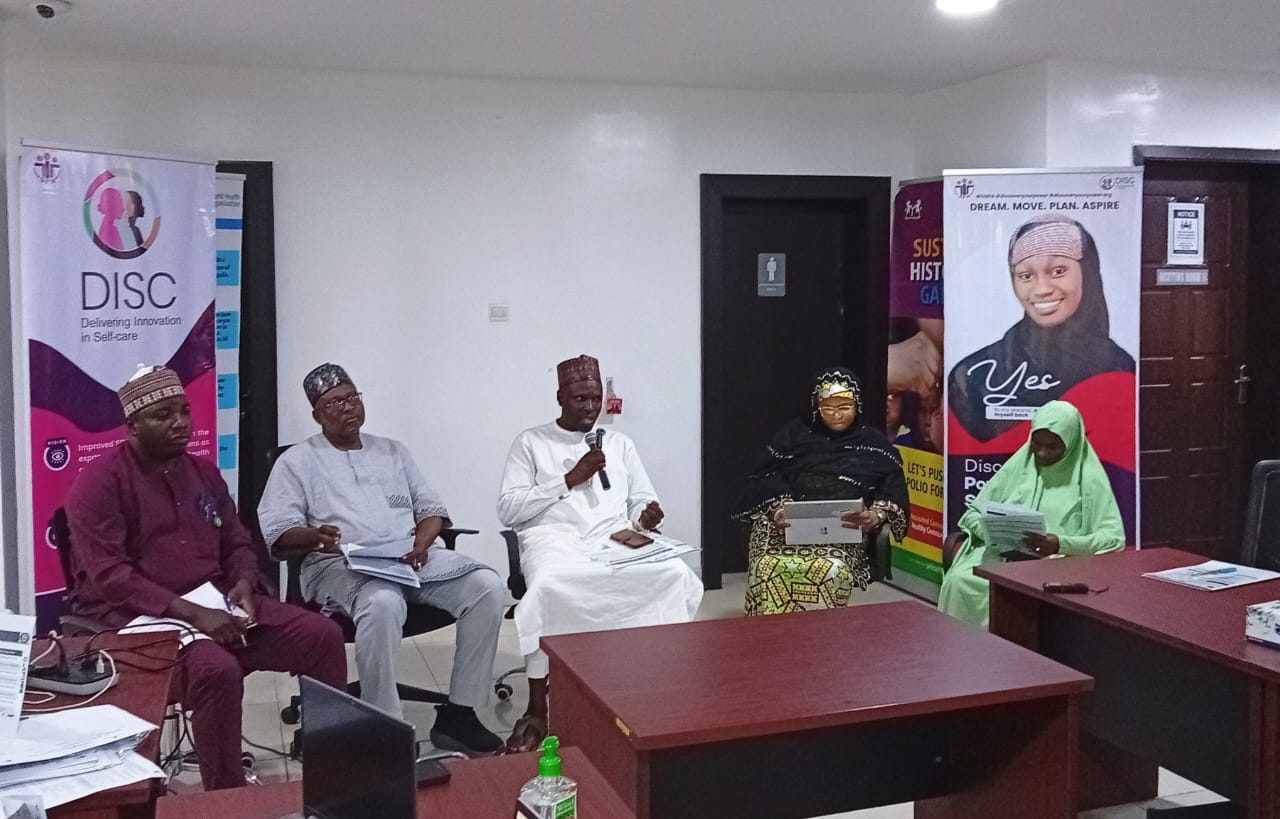
In his welcome remarks, the Managing Director of the Kano State Radio Corporation, Alhaji Abubakar Rano, represented by the Deputy Director of Programmes, Aisha Usman, highlighted the critical role of journalists in shaping public opinion and influencing government decisions.
She stressed that careless reporting could harm children by exposing their identities, violating their dignity, or creating stigma.
“Children are vulnerable and need protection. If we report carelessly, we may harm their dignity, expose their identity, or create stigma,”
In a presentation titled Ethical Principles in Reporting Children’s Issues, UNICEF Kano Communications Specialist, Samuel Kaalu, noted that countries that are signatories to the United Nations Convention on the Rights of the Child are legally bound to implement its provisions, which are monitored by the Committee on the Rights of the Child.
He outlined four guiding principles of the convention: non-discrimination, the best interests of the child, the right to life, survival and development, and respect for the views of the child.
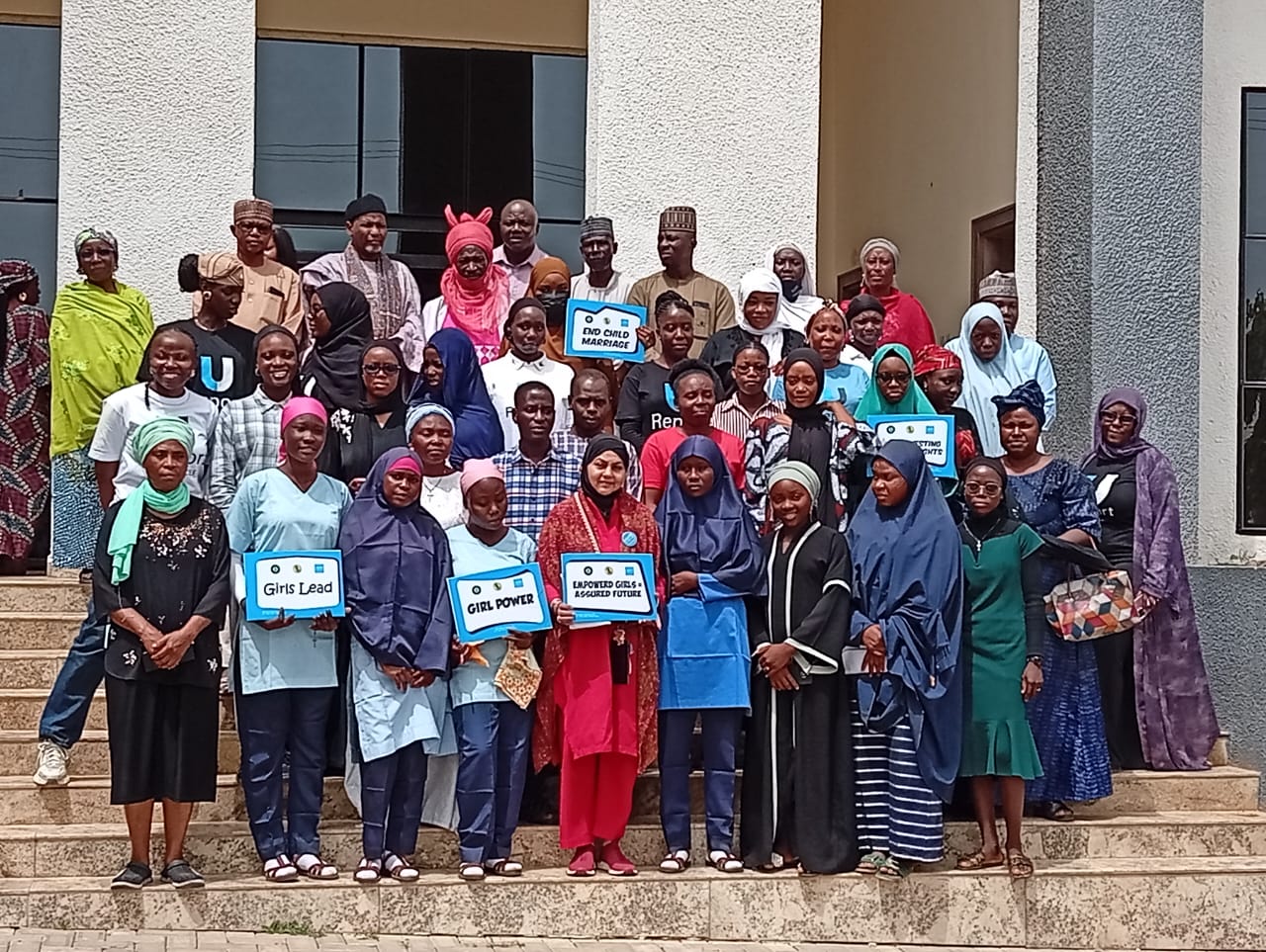
Participants were drawn from broadcast, print, and digital media.










Leave a Reply